


Beyond Standard Specifications: How Appliance Brands Can Differentiate Their 4 Burner Gas Hobs
Walk through a major appliance marketplace and you will quickly notice a familiar pattern. Many 4 burner gas hobs share similar dimensions, four-burner layouts, glass panels, control arrangements and headline power ratings. From a production perspective, this standardization makes sense. Established components, familiar designs and proven configurations help brands control development costs and reduce manufacturing risk.
For appliance brands, however, the same trend creates a more difficult question: when competing 4 burner gas hobs look and perform similarly, where can a brand create meaningful differentiation?
The answer does not necessarily lie in adding more features. It starts with looking beyond the standard specification and making better decisions about how the product is designed, configured and positioned for its target market.
Beyond Standard Specifications: Where Real Gas Hob Differentiation Begins
A standard specification sets the basic structure of a 4-burner gas hob — the size, the burner count, the general layout. It creates a workable foundation, but it does not define how the product actually performs or how users experience it in daily cooking.
Two hobs can share the same dimensions and burner configuration yet deliver clearly different results. The gap often comes from burner power balance, spacing between burners, pan support stability, control placement, surface material quality, and the reliability of safety systems. For brands, this distinction is critical. Competing only on listed specifications produces products that look similar on paper and feel interchangeable on the shelf. Lasting differentiation happens beyond the baseline specs — in the details that shape real cooking performance and user perception.
Where Can Appliance Brands Differentiate a 4-Burner Gas Hob?
1. Burner Power Balance, Not Just Peak Output
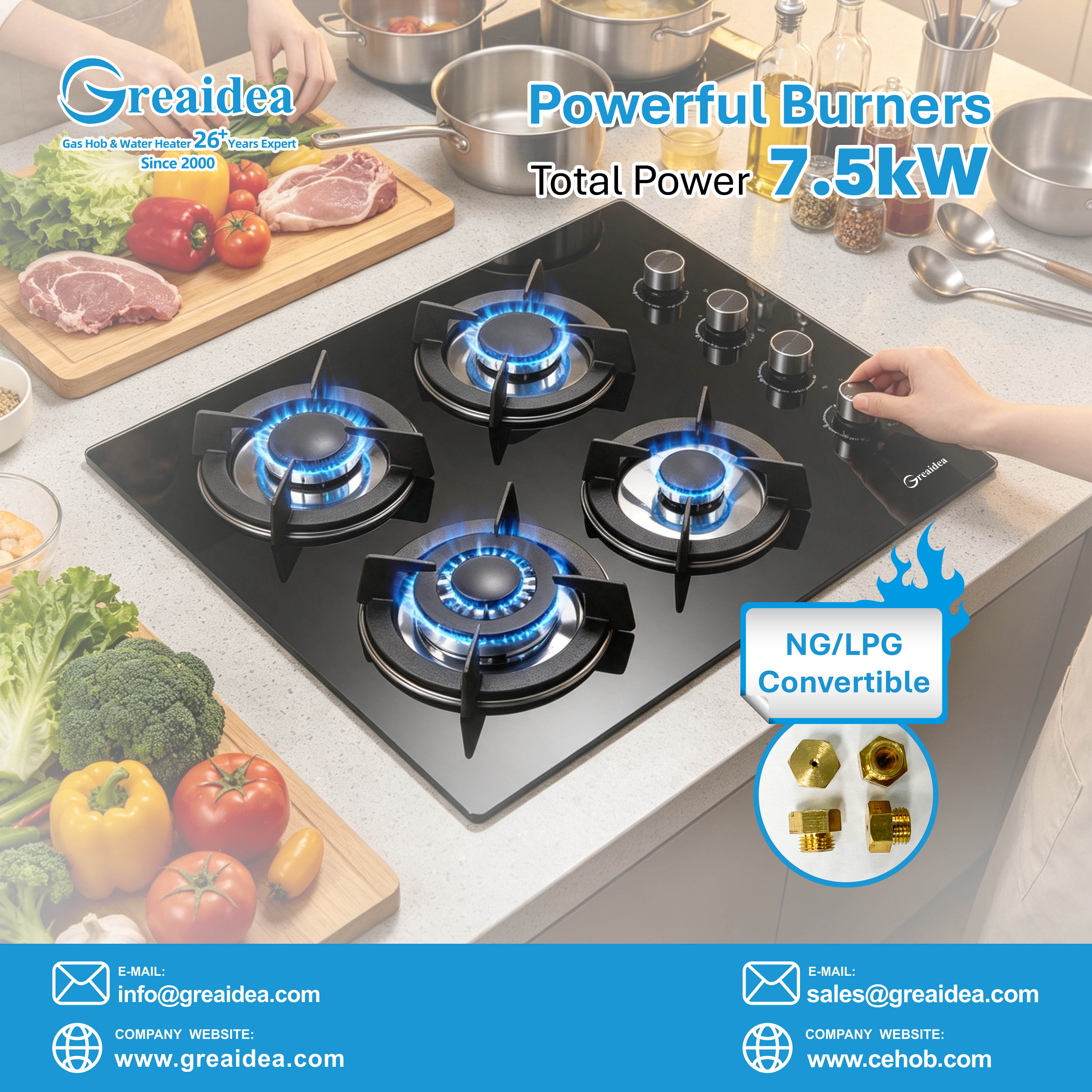
Burner power is usually one of the first numbers compared in product development. A higher maximum kW looks stronger on a specification sheet, but it does not automatically deliver better cooking performance.
What matters more is how the four burners work together. A practical configuration combines different sizes and power levels to cover everyday needs — simmering, boiling, frying, and handling larger cookware. The right balance depends on the target market, local cooking habits, and the product's intended positioning. A mid-range model and a premium high-intensity model should not share the same power logic.
2. Burner Layout That Reflects Real Cooking
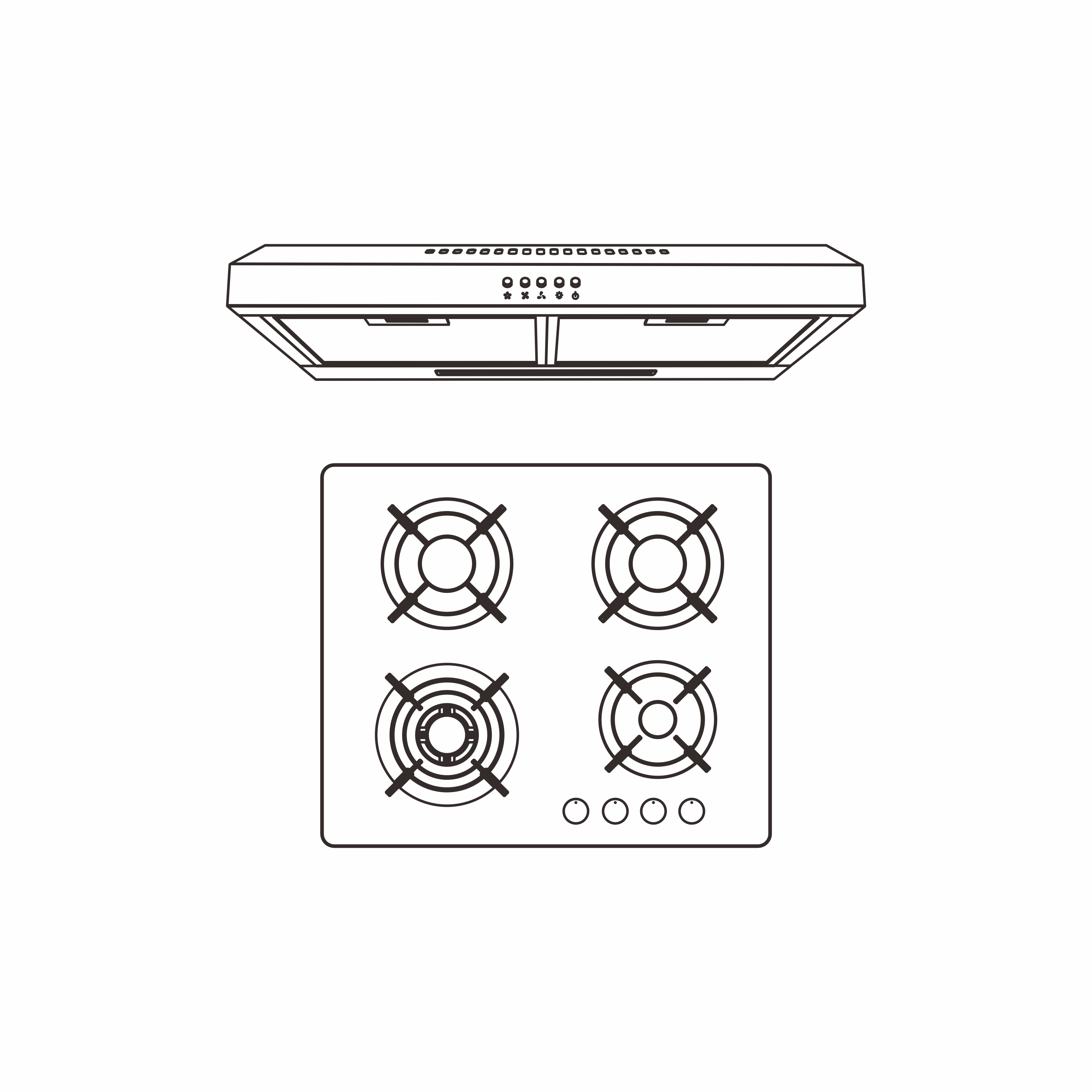
Their spacing and positioning decide whether users can actually cook with different pans at the same time without interference.
If burners sit too close, large cookware collides. If the layout is poorly balanced, one burner becomes awkward to reach when another is in use. Effective layout design accounts for burner diameter, front-to-rear placement, typical cookware sizes, and simultaneous cooking. The goal is not simply to fit four burners onto a panel, but to support how people really cook.
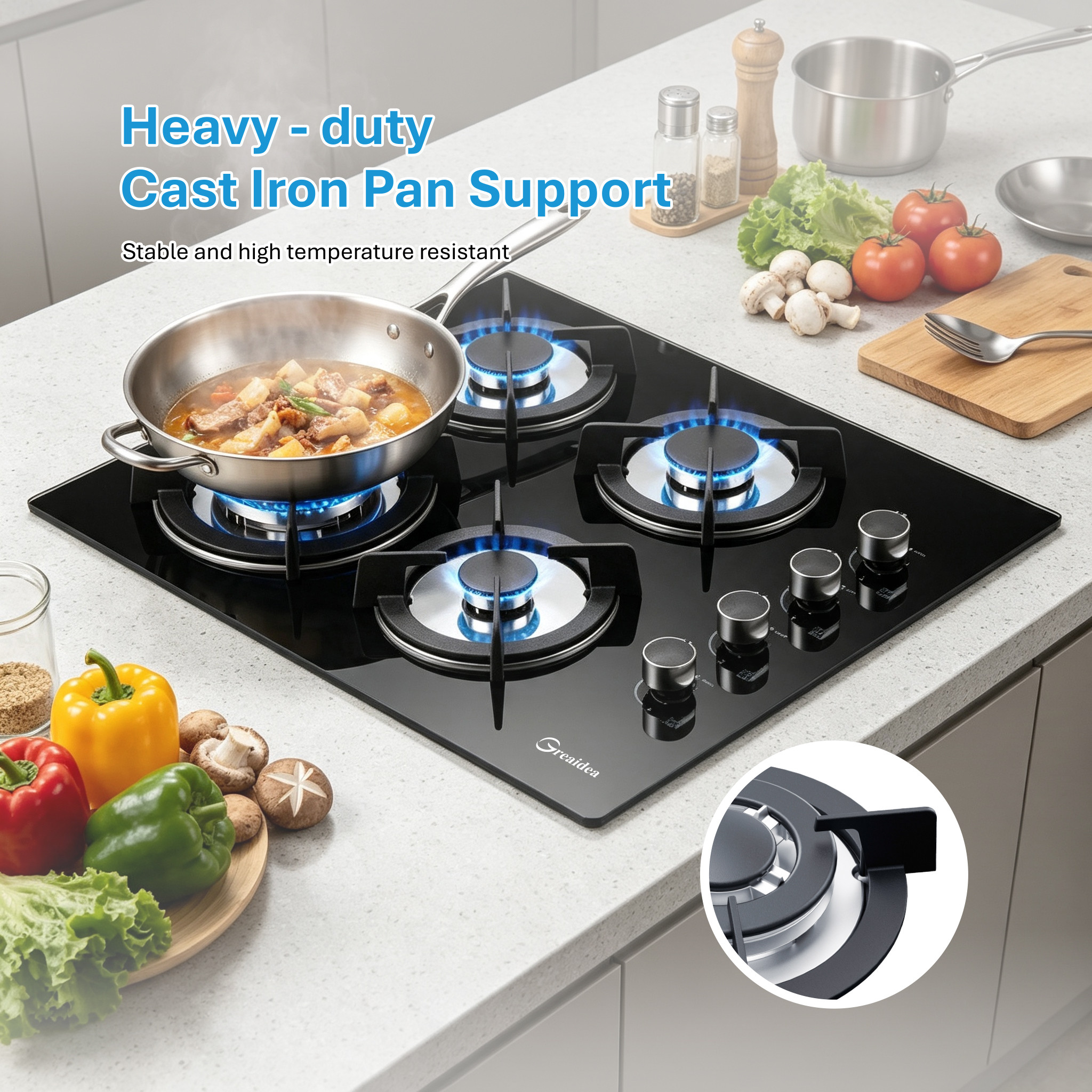
3. Pan Supports: A Detail That Shapes Daily Use
A well-designed support keeps cookware stable, resists shifting during cooking, and holds up under repeated use. Material, structure, and weight also affect cleaning, durability, and the overall sense of quality. This is a clear opportunity for differentiation. The support does not need a radical redesign — it simply needs to match the intended cookware, cooking style, and product positioning.
4. Controls and Surface: Aligning Function with Brand Identity
The control area is one of the most visible parts of a built-in gas hob. Traditional knobs remain practical and familiar; metal knobs add a stronger tactile and visual presence. In certain segments, touch controls support a more modern direction.
Neither approach is universally better. The choice should reinforce the product’s intended positioning. The same applies to the cooking surface. Glass and stainless steel create different visual impressions and practical trade-offs. Controls, panel, and burner area should be developed as one coherent product identity.
5. Safety as Part of the Product Proposition
Safety should not stop at meeting minimum requirements. Features such as a Flame Failure Device (FFD) help prevent continued gas flow if the flame goes out unexpectedly. While standards vary by market, reliable flame protection and consistent ignition directly influence user confidence.For brands, safety is more than a compliance checkbox added at the end of development. It should be treated as an integral part of the product's overall value.
Differentiation Must Follow the Target Market
There is no universal specification that makes a 4-burner gas hob the right product for every market. A brand focused on Latin America will usually need a different balance of burner power, gas type, cookware compatibility and price positioning than one developing a product for Europe. Kitchen layouts, cooking habits, consumer expectations and local regulations all shape what actually works. Before locking in the technical design, brands should first define the target user, the sales market and the role the product needs to play. The specification should support that positioning — not dictate it.
Can Your Current Gas Hob Manufacturer Support Real Product Differentiation?
If a brand wants to adjust burner configuration, rethink the burner layout, develop a different pan support, or change the control solution, the manufacturing partner needs to be able to do more than reproduce an existing model.
A capable gas hob manufacturer should be able to discuss technical options, develop samples, evaluate components, support testing and maintain consistency when the product moves into mass production. This becomes particularly important for OEM and ODM projects. A manufacturer that only works from a fixed specification may be suitable for a standardized product. But when a brand wants to create a product with its own positioning, design requirements and market-specific configuration, earlier technical involvement can make a significant difference.
From Standard Production to Real Development Support
For brands pursuing differentiation, the key question is whether the manufacturer can help turn a product idea into a commercially ready solution — understanding the target market, refining specifications, supporting development, and delivering consistent quality at scale.
Greaidea works with appliance brands on this basis. The company supports 4-burner gas hob OEM and ODM projects with a full development-to-production approach. This includes analyzing market requirements, recommending practical burner configurations and layouts, developing and refining samples, conducting performance testing, and maintaining stable quality through mass production.
Greaidea focuses on helping brands build products that match their specific market needs and positioning. The team brings experience across different regional markets, technical flexibility in burner power, layout, pan supports and controls, and the manufacturing capability to move from prototype to consistent volume production. For brands looking to move beyond standard specifications, this combination of development support and production reliability makes a measurable difference.
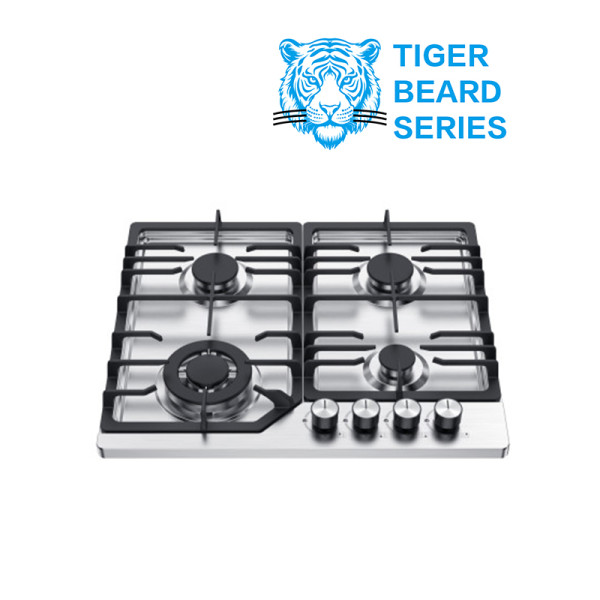
Tiger Beard Series – Newly designed four burner gas hob with high-efficiency burners that stand out in the market.
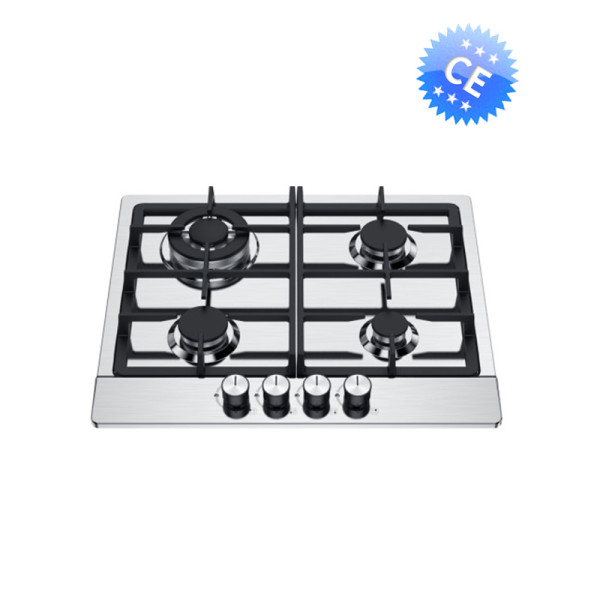
Ideal for brands seeking CE-certified, durable, and cost-effective gas hobs.
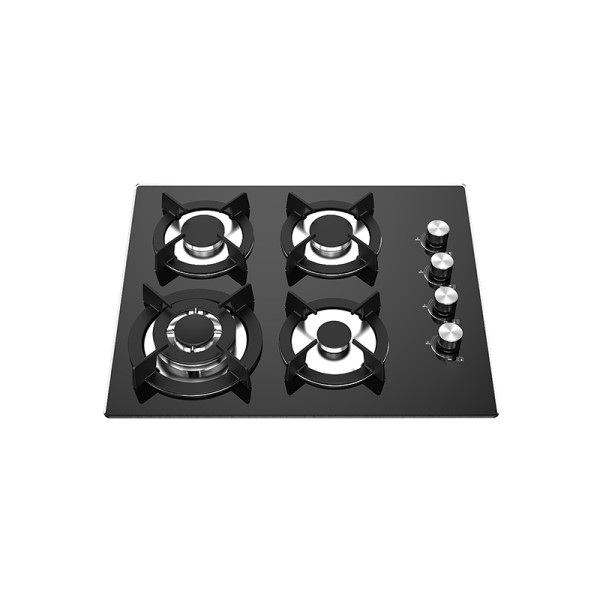
The first choice to enhance your gas hob series, Greaidea provides high-end configurations at competitive prices.
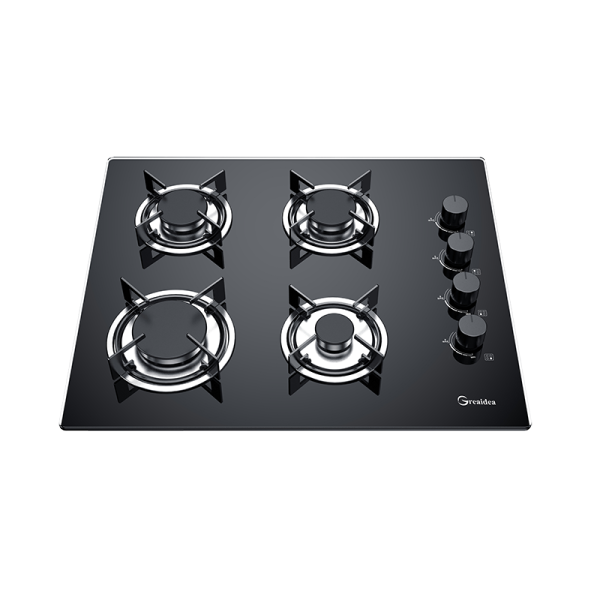
New Design 4 burner gas hob — customized designs to match your market needs.
Standard Specifications Define the Category. Product Decisions Define the Brand.
For appliance brands, the opportunity is not to create another standard 4-burner gas hob. It is to develop one that fits a specific market, user, and brand position — and to work with a manufacturing partner that can turn those decisions into a reliable, scalable product.
Greaidea is a leading gas hob manufacturer supporting brands on OEM and ODM projects, from specification and sample development through testing and mass production.
If you are looking to develop a differentiated 4-burner gas hob for your market, contact Greaidea to discuss your project.