


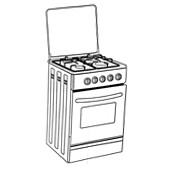
Why Your Gas Hob Product Line Is Losing Market Share—and How Brands Can Revive It in 2026
As 2026 approaches, many gas hob brands are facing an uncomfortable reality: online rankings are slipping, once-stable SKUs are losing visibility, and market share is quietly eroding. This decline rarely happens overnight. More often, it reflects deeper gaps between product offerings and real consumer behavior, regulatory requirements, and market expectations.
For brand owners and distributors, the key question is no longer whether to act—but whether your gas hob product line is ready to compete in the next cycle of the market.
Losing Market Share Is a Strategic Signal, Not a Sales Accident
When a gas hob product line starts falling behind on major platforms or in regional distribution networks, it is tempting to blame pricing pressure or aggressive competitors. In reality, declining performance usually signals that the product no longer aligns with how the market buys, uses, or evaluates kitchen appliances today.
Consumer demand for gas hobs remains strong across Latin America, Europe, the Middle East, and emerging markets. What has changed is expectation: buyers now compare design, efficiency, safety, and brand credibility far more critically than before. Brands that fail to adapt are gradually filtered out.

Product Homogenization Weakens Brand Positioning
One of the most common reasons gas hob brands lose traction is product homogenization. When designs, burner layouts, materials, and control systems look identical across suppliers, differentiation disappears. In this situation, price becomes the only winning strategy. Brand owners' profit margins are rapidly squeezed, while distributors lose the incentive to promote the brand.
Without a manufacturing partner capable of developing differentiated gas hob designs or modular product families, brands are forced into reactive competition rather than strategic growth.
Aging Product Lines No Longer Match Consumer Behavior
Gas hob product lines that have not been meaningfully updated in three to five years often struggle to meet modern usage habits. Today's consumers place greater emphasis on precise flame control and consistent heat output in gas hobs, along with improved safety features and designs that blend seamlessly with modern kitchen styles.
A lack of iteration sends a signal to the market that the brand is standing still. In contrast, even incremental upgrades—when aligned with real user behavior—can significantly improve conversion and repeat orders.
Quality Consistency and After-Sales Pressure Erode Market Trust
Market share loss is often accelerated by issues that are less visible but far more damaging: inconsistent quality and rising after-sales complaints. Minor variations between production batches, unstable ignition systems, or premature component wear can quietly undermine distributor confidence.
A stable gas hob product line depends not just on design, but on long-term manufacturing discipline.
Why the Manufacturer Behind Your Gas Hob Matters More Than Ever
Many brands underestimate how deeply a gas hob manufacturer influences market performance. Beyond production capacity, the right partner contributes insight into:
Regional certification requirements
Gas types and usage standards
Long-term product line planning
Manufacturers with limited R&D or market exposure can deliver products—but not sustainable growth. This gap is where many brands lose momentum.
Why Leading Brands Partner With Greaidea for 2026 Planning
Forward-looking brands increasingly work with manufacturers that offer both OEM and ODM gas hob capabilities. Greaidea, with over 25 years of experience in gas appliance manufacturing, supports brands not only in production but in strategic planning.
By analyzing target markets, regulatory frameworks, and consumer behavior, Greaidea helps clients structure gas hob product lines that are competitive, compliant, and scalable.
How Greaidea Helps Brands Rebuild Competitive Gas Hob Lines
Greaidea has partnered with multiple international brands to address declining performance and reposition their gas hob offerings. Typical client challenges include outdated designs, high complaint rates, or difficulty entering new markets.
Through collaborative development, Greaidea has helped numerous brands restructure their products, improve stability, launch differentiated offerings compared to other brands, and alleviate after-sales pressures through stricter quality control. These collaborations have significantly boosted distributor confidence and resulted in measurable sales recovery.
From Manufacturing to Market Strategy: A Smarter Path to 2026 Growth
Reviving a gas hob product line requires more than launching a new model. It requires alignment between manufacturing expertise, market insight, and long-term planning.
Greaidea works closely with brand partners to develop annual and multi-year product roadmaps for 2026, tailoring gas hob designs to the different regions clients are developing and helping them balance innovation and cost-effectiveness.
This approach allows brands to regain market position rather than pursuing short-term solutions.
Rebuilding Market Share Starts With the Right Partner
Losing gas hob market share is not a dead end—it is a strategic warning. Brands that respond with clear planning, product upgrades, and the right manufacturing partner can regain relevance and growth.
With deep industry knowledge, proven OEM/ODM capabilities, and a focus on long-term collaboration, Greaidea helps brands turn 2026 into a year of recovery and expansion.
Contact Greaidea today to start planning a stronger, more competitive gas hob product line for 2026.
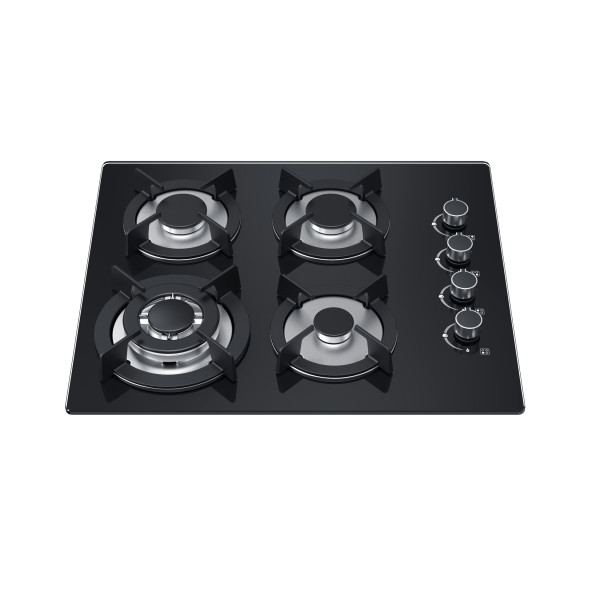
Experience precision flame control and smooth ignition every time.
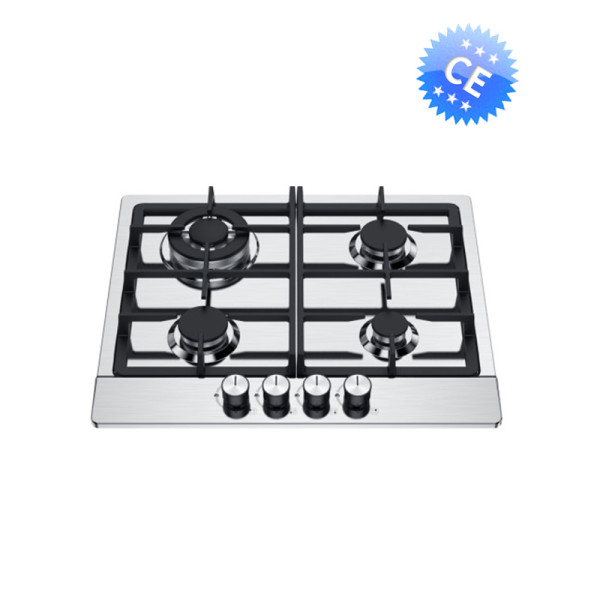
Ideal for distributors seeking CE-certified, durable, and cost-effective gas hobs.
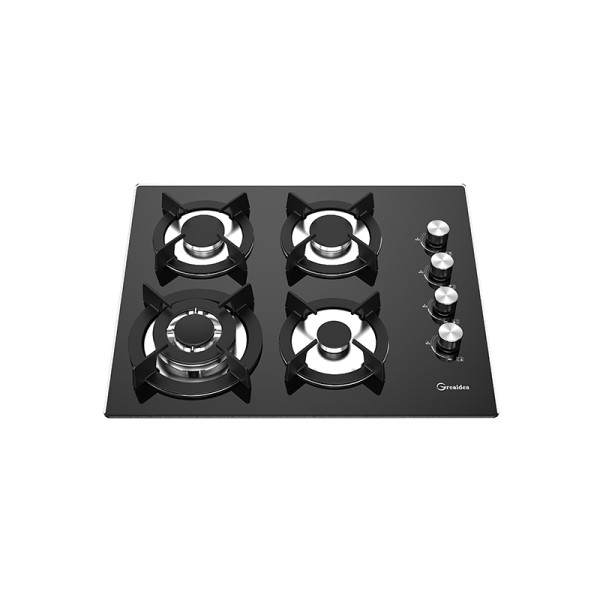
The first choice to enhance your gas hob series, Greaidea provides high-end configurations at competitive prices.
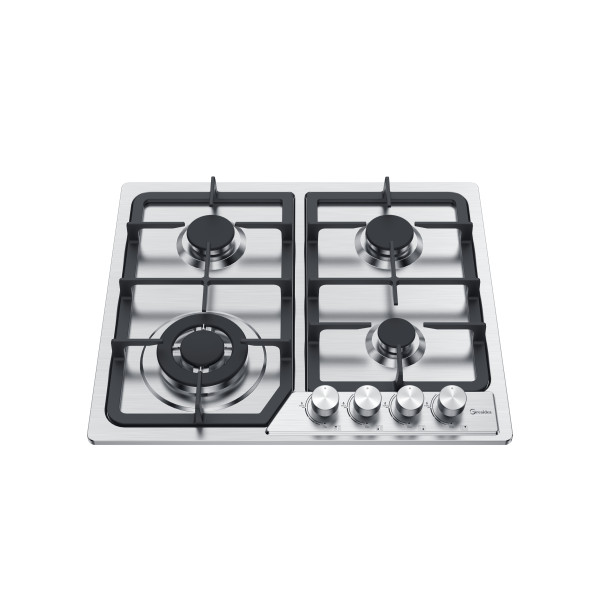
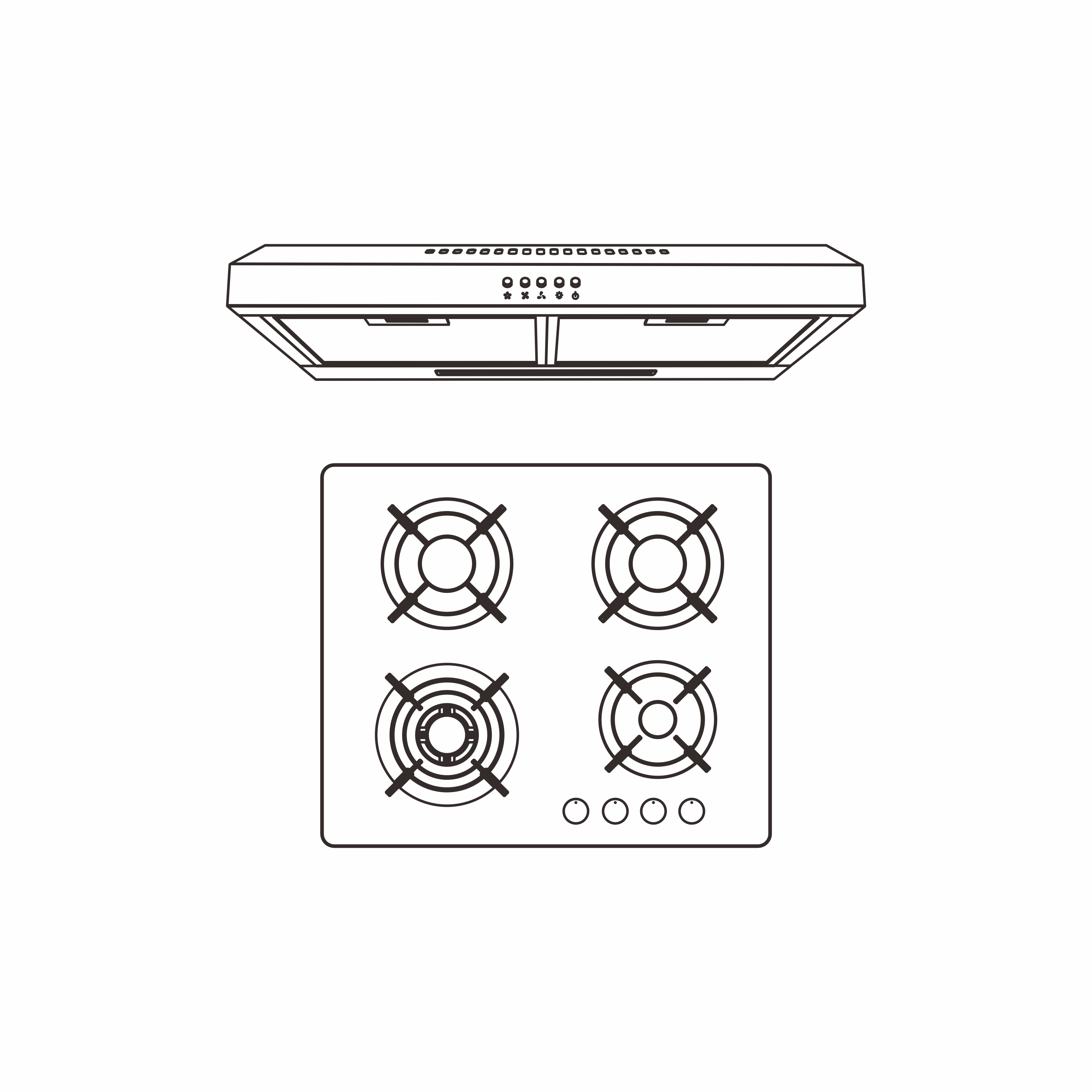
IDEAL KITCHEN CHOICE - 4 burner stainless steel gas hob features high heat output, stable flame and easy to clean surface.