


Why Gas Hobs Still Win in 2026: Real Consumer Choices and a Market Opportunity Brands Shouldn't Ignore
For years, the kitchen appliance industry has debated whether gas cooking is being replaced by induction. The conversation often sounds settled—until you listen to real users. One consumer story circulating recently captures a broader shift that many brands and retailers are beginning to notice again.
A working mother with young children decided to switch from a gas hob to an induction hob. The reasons felt logical. Induction promised better safety, faster cleaning, and a sleek, modern look that matched her renovated kitchen. For a busy household, it seemed like a clear upgrade. The change worked well at first. The surface stayed clean, spills wiped away easily, and there was peace of mind knowing there was no open flame.
But after months of daily use, her enthusiasm faded. What began as a practical choice slowly revealed limitations that affected everyday cooking, maintenance costs, and long-term reliability. Eventually, she reached an unexpected conclusion: she was switching back to a gas hob.
This is not an isolated case. It reflects a pattern that appliance brands should pay close attention to when planning their 2026 Gas Hob product strategy.
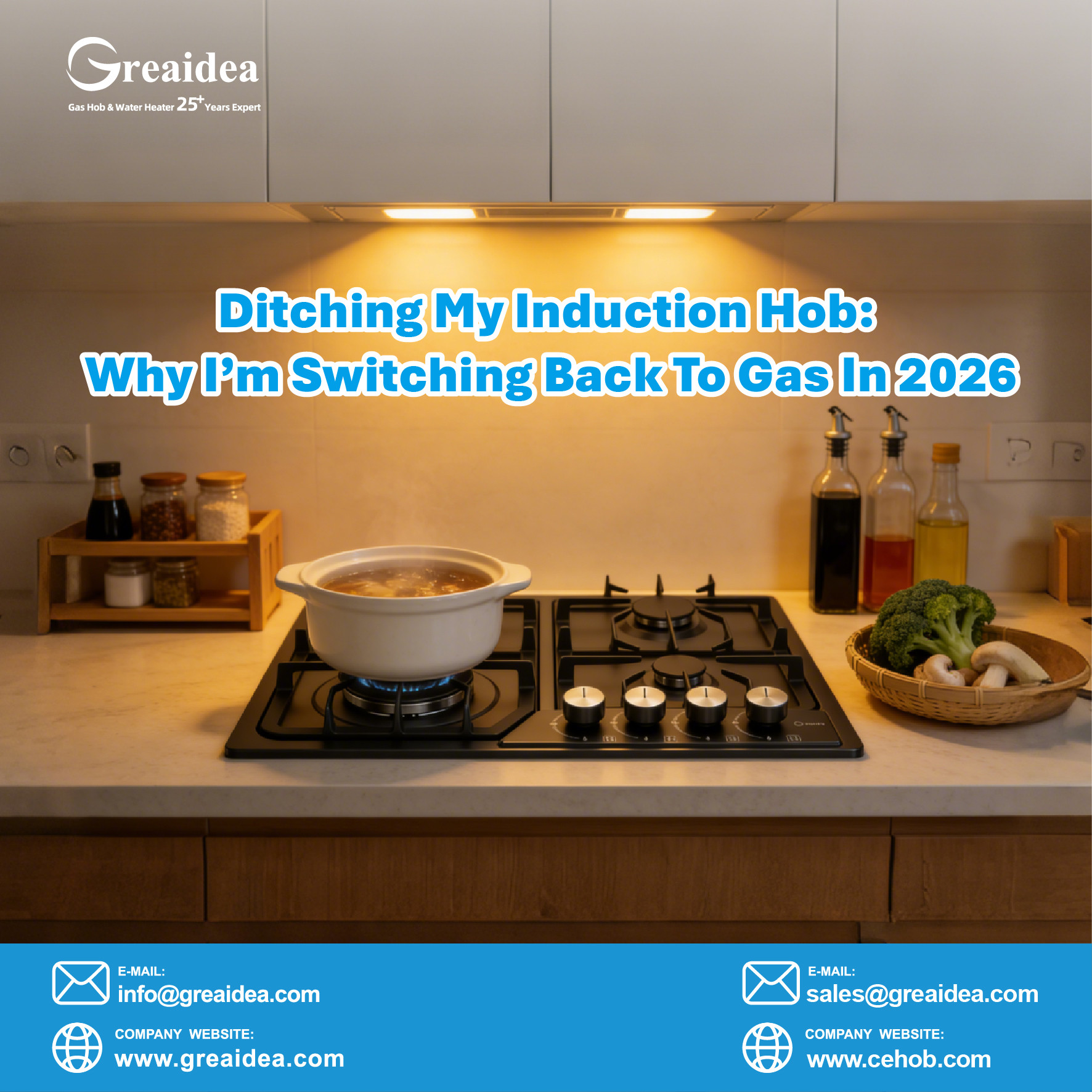
Why Some Consumers Are Returning to Gas Hobs
The decision to return to gas was not driven by nostalgia, but by practical experience. As daily use exposed the downsides of induction cooking, the advantages of gas hobs became clearer.
Maintenance and repair costs became the first turning point.
When small components on a gas hob wear out—burner caps, pan supports, or igniters—they can usually be replaced individually at a low cost. With induction hobs, the situation is very different. The cooking surface is often a single glass panel integrated with sensitive electronics. A crack, sensor failure, or control malfunction frequently requires replacing major components, sometimes the entire unit. For families and cost-conscious households, this difference matters.
Control and cooking precision followed closely behind.
Touch panels may look modern, but in real kitchens they are not always reliable. Water splashes, steam, or oil droplets can interfere with sensors, causing sudden power changes or unresponsive controls. Adjusting heat levels through touch sliders lacks the tactile confidence of turning a knob and watching a visible flame respond instantly. For cooks who prepare multiple dishes at once, especially with four burners running simultaneously, gas hobs offer more predictable performance.
Compatibility with cookware also played a role.
Induction requires specific magnetic cookware, limiting flexibility and increasing replacement costs. Gas hobs work with virtually all pots and pans, from lightweight aluminum to heavy cast iron, without compromise.
These factors combined led to a practical realization: while induction hobs have their place, gas hobs continue to meet real cooking needs more consistently for a wide range of households.
What This Means for Gas Hob Brands in 2026
From a business perspective, this shift in consumer behavior highlights an important opportunity. Gas hobs are not disappearing. Instead, expectations are evolving. Modern consumers want the reliability and control of gas, combined with better safety, design, and efficiency.
For brands and distributors, this means moving beyond outdated gas hob designs that look and function the same as they did ten years ago. The market is no longer forgiving of products that compete only on price without offering meaningful improvements.
Successful gas hob lines in 2026 are those that balance three key priorities:
User-focused safety features that build confidence without complicating operation
Clear, responsive flame control that supports real cooking habits
Designs that integrate seamlessly into modern kitchens, both visually and functionally
Gas hobs remain a strong category, but only when supported by thoughtful product development and reliable manufacturing partners.
How Modern Gas Hob Design Has Evolved
Today's gas hobs are no longer limited to basic configurations. Through proper ODM & OEM gas hob development, brands can offer products that meet both functional and aesthetic expectations across different markets.
Key upgrades increasingly requested by global brands include enhanced flame stability through high-efficiency burners, improved surface materials such as tempered glass or stainless steel for easier cleaning, and refined pan supports that balance durability with visual appeal. Knob positioning, burner layout, and spacing are now part of a broader usability discussion rather than fixed templates.
Safety has also advanced. Modern gas hobs commonly integrate flame failure devices that automatically cut off gas if the flame is extinguished, adding reassurance for households with children or elderly users. These features are no longer optional in many markets—they are expected.
Where Greaidea Fits into This Market Shift
As more brands reassess their gas hob strategies for 2026, manufacturing capability becomes a decisive factor. Greaidea works with appliance brands worldwide to transform market insights into practical, sellable gas hob solutions.
Rather than offering fixed models, Greaidea supports ODM & OEM gas hob customization based on regional regulations, user behavior, and price positioning. Panel materials can be selected to match local preferences, burner configurations optimized for cooking styles, and control layouts refined to improve usability. The goal is not to add features blindly, but to design gas hobs that feel right in real kitchens.
Many partners come to Greaidea after years of limited innovation with previous suppliers. By aligning product design with actual consumer feedback and market trends, these brands have refreshed their gas hob portfolios, improved retailer confidence, and regained competitive momentum.
Gas Hobs Are Not a Legacy Product—They Are a Strategic One
The return to gas hobs by everyday users sends a clear message. Cooking habits are deeply practical, and technology must support them rather than complicate them. For appliance brands, this reinforces an important truth: gas hobs remain a profitable and relevant category when developed with intention.
In 2026, growth will not come from copying old designs or competing solely on cost. It will come from understanding why consumers still trust gas cooking, and from working with manufacturers who can translate that understanding into reliable, market-ready products.
If you are planning a new gas hob line, upgrading an existing portfolio, or reconsidering your current manufacturing partnership, Greaidea is ready to support you. From concept development to tailored configuration and stable mass production, we help brands build gas hobs that perform in real kitchens and succeed in real markets.
Contact Greaidea to discuss a solution designed for your market—and for the way people truly cook.
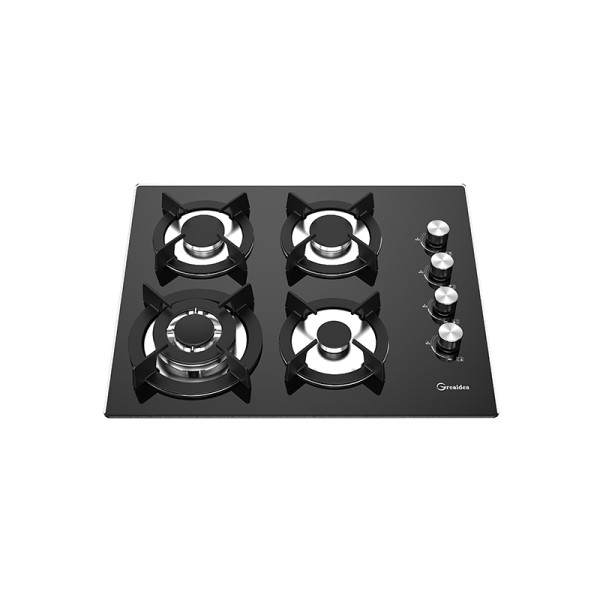
The first choice to enhance your gas hob series, Greaidea provides high-end configurations at competitive prices.
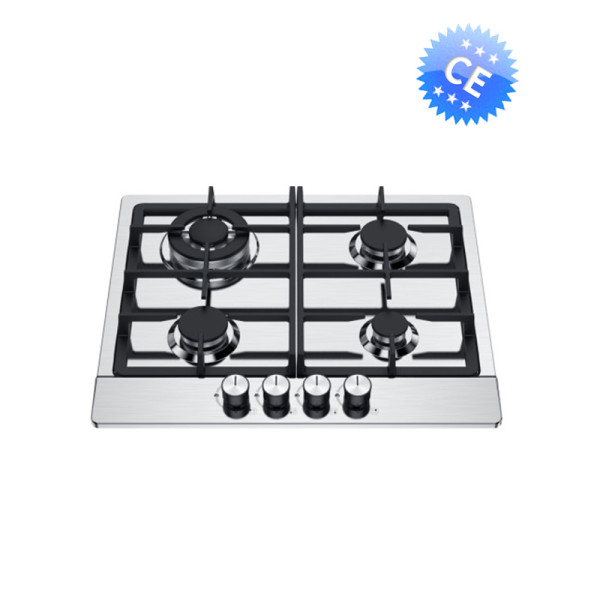
Ideal for distributors seeking CE-certified, durable, and cost-effective gas hobs.
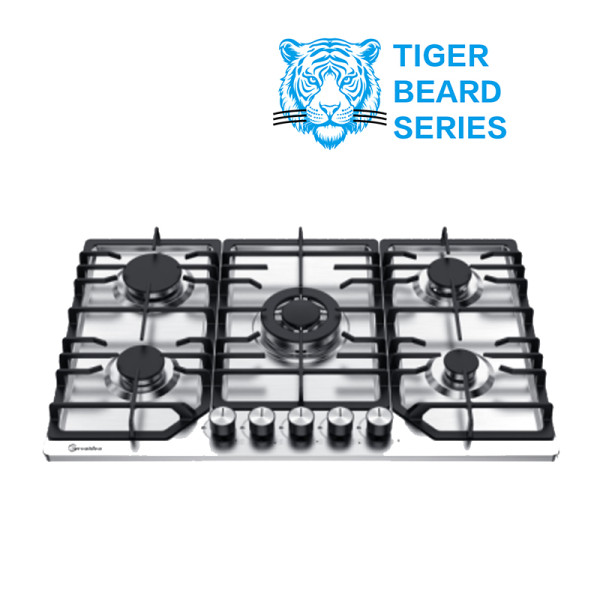
CE-certified 5 burner gas hob, built for performance and global distribution.
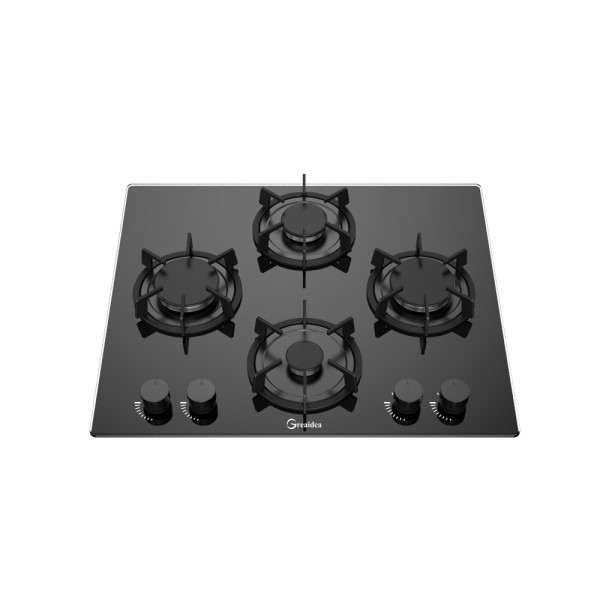
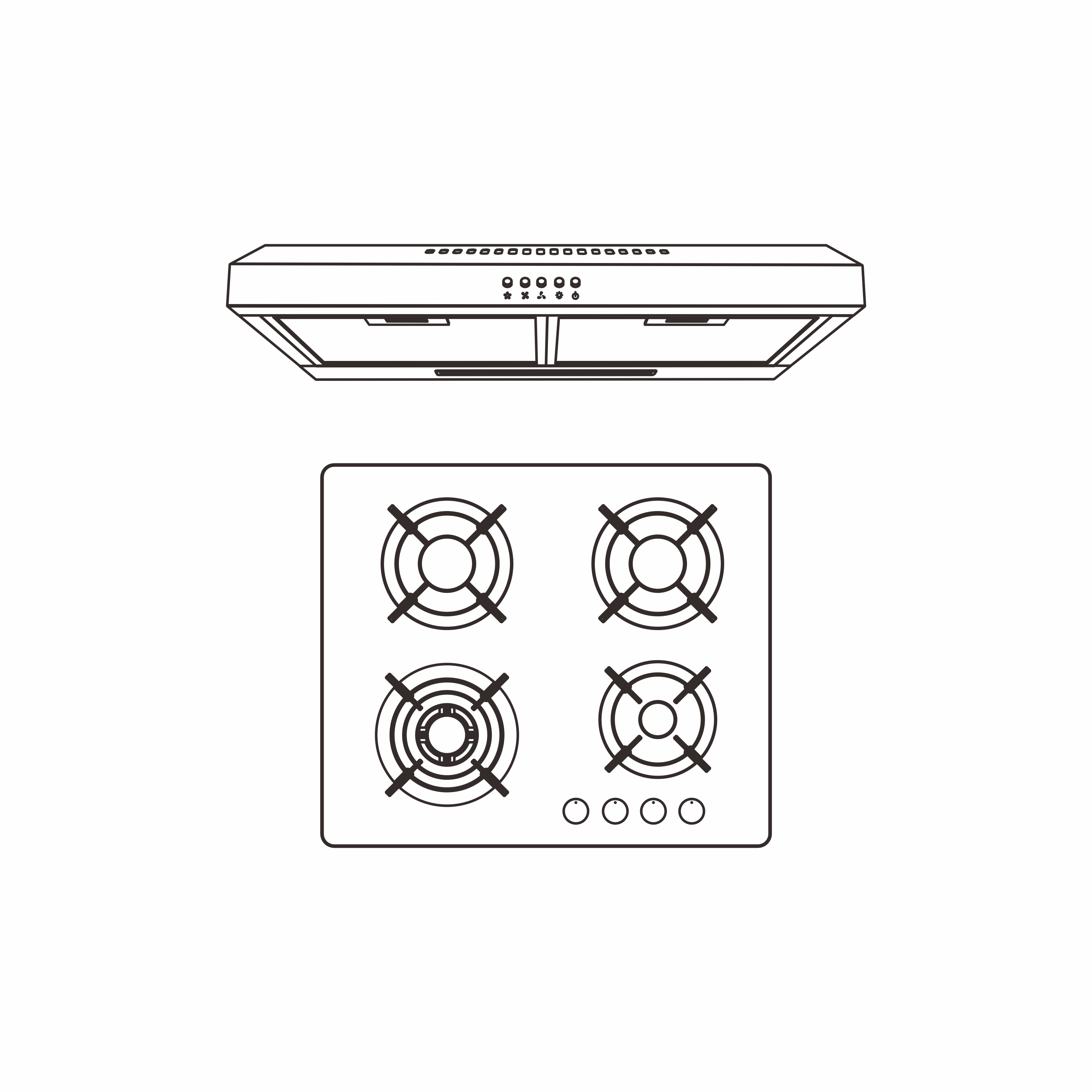
Greaidea's best-selling 4 burner gas hob — trusted by global appliance brands.