


What Winter Water-Use Habits Are Telling Brands About the Next Gas Water Heater Upgrade
As winter approaches, household water-use behavior shifts in subtle but consistent ways. Hot water is no longer reserved mainly for showers. It becomes part of daily routines—washing dishes with warmer water, rinsing produce, extended bathing time. These habits increase overall hot water demand without households necessarily realizing it.
For brands and importers, winter is not just a sales season—it is a data-rich period that reveals how end users truly interact with gas water heaters when comfort, convenience, and cost matter most.
Rising Usage Brings Cost Awareness to the Surface
With higher hot water usage comes greater sensitivity to gas consumption. Many households notice this shift only when monthly gas bills rise, often leading to dissatisfaction with existing appliances. While users may not articulate it in technical terms, the underlying demand is clear: they want consistent hot water without feeling pressured by energy costs.
This behavior signals an important opportunity for brands. Products that help control energy use—without sacrificing comfort—align more closely with real winter needs and long-term customer expectations.
Energy Efficiency Is No Longer a Feature—It's a Baseline
In many markets, energy-efficient gas water heaters are no longer a premium niche. They are becoming a baseline expectation. Consumers may not compare efficiency percentages, but they do compare results: stable temperature, predictable gas usage, and fewer complaints about performance.
For brands and distributors, this means product lines built purely around price competition are increasingly vulnerable. Energy efficiency, system optimization, and intelligent operation are now essential to staying relevant in mature and emerging markets alike.
Why Seasonal Behavior Should Influence Product Line Planning
Winter usage patterns offer valuable guidance for product planning. When demand peaks, weaknesses in product design become more visible—temperature fluctuations, slow heating response, or inefficient energy use. Brands that study these seasonal behaviors are better positioned to upgrade their gas water heater portfolios strategically rather than reactively.
Instead of launching entirely new categories, many successful brands are focusing on functional upgrades that enhance existing gas water heater platforms while keeping manufacturing and certification manageable.
Solar-Assisted Functionality as a Practical Upgrade Path
One such upgrade gaining attention is solar-assisted functionality integrated into gas water heaters. This approach does not replace gas heating but complements it. When sufficient solar energy is available, the system prioritizes solar heating. When sunlight is insufficient or the set water temperature falls below a defined threshold—such as 42°C—the gas system activates automatically to maintain comfort.
This hybrid operation balances energy savings with reliability, particularly during winter when sunlight availability fluctuates but hot water demand remains high.

Why Manufacturers Like Greaidea Are Driving This Evolution
This is where experienced manufacturers such as Greaidea come into the picture. With over 25 years of OEM and ODM experience in gas water heaters, Greaidea has worked closely with brands facing exactly these challenges: rising energy costs, evolving consumer expectations, and the need for product differentiation without excessive complexity.
Rather than offering one-size-fits-all designs, Greaidea supports brands in adapting core gas water heater platforms with optional solar-assisted functionality—allowing flexibility across markets without compromising performance.
How Solar-Assisted Gas Water Heaters Work in Real Use
Greaidea's solar-assisted gas water heater solutions are designed for intelligent operation. When solar input can meet the required water temperature, the gas system remains inactive, reducing fuel consumption. If solar output drops or water temperature falls below the preset threshold, the gas heater engages seamlessly.
This approach ensures uninterrupted hot water while delivering measurable energy savings over time. For brands, it offers a compelling story grounded in real usage benefits rather than abstract efficiency claims.
Experience, Market Insight, and Proven OEM/ODM Results
What sets Greaidea apart is not just technical capability, but market familiarity. Through long-term partnerships across Latin America, Europe, and other regions, Greaidea has helped brands refine product lines based on local regulations, user behavior, and channel requirements.
In several cases, brands dissatisfied with limited innovation from previous suppliers turned to Greaidea for deeper collaboration. By analyzing their target markets and existing portfolios, Greaidea delivered tailored OEM and ODM solutions that improved product performance, reduced energy complaints, and strengthened brand positioning.
Turning Winter Insights Into Long-Term Product Value
Winter reveals how products perform under pressure. Brands that translate these insights into smarter product upgrades are better equipped to build loyalty, reduce after-sales issues, and compete beyond price. Gas water heaters with intelligent, energy-saving functionality—such as solar-assisted operation—represent a practical step forward.
For brands seeking a reliable manufacturing partner to support this transition, working closely with an experienced OEM/ODM supplier like Greaidea can make the difference between short-term sales and long-term growth. Reach out Greaidea to explore how a tailored gas water heater solution can support your next product upgrade.
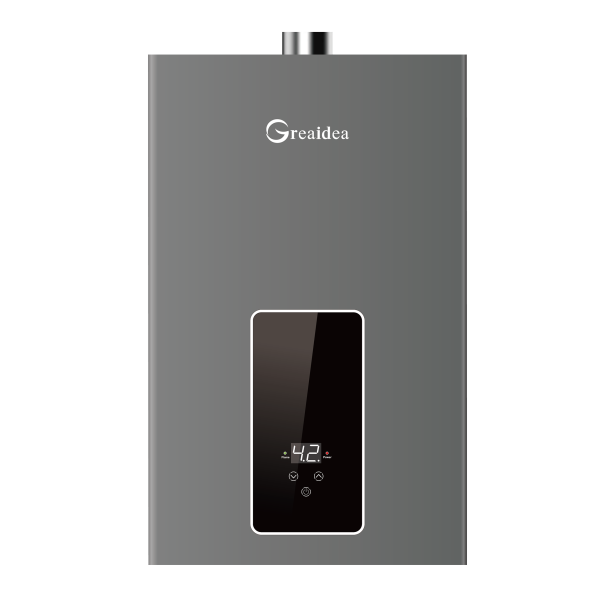
Air-cooled gas water heater with AI temp control, V-shape burner, and dual-speed fan for high efficiency.
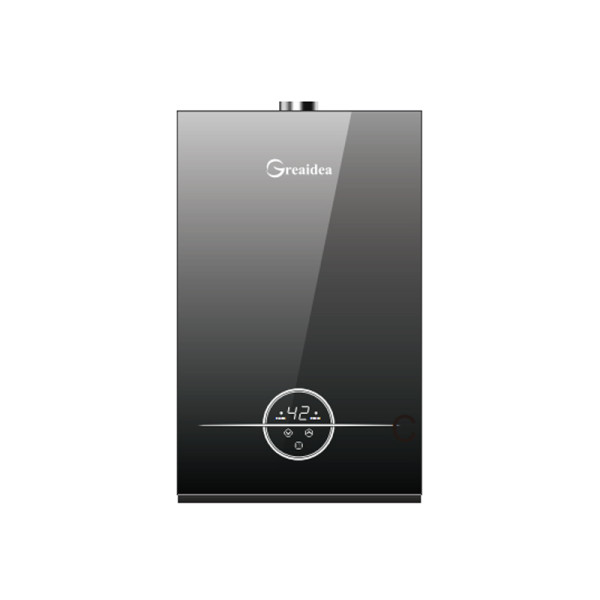
The glass-panel gas water heater can be customized with patterns according to market demand, and the temperature can be adjusted via a touch screen panel.

Designed for eco-friendly markets seeking reduced nitrogen oxide emissions and high efficiency.
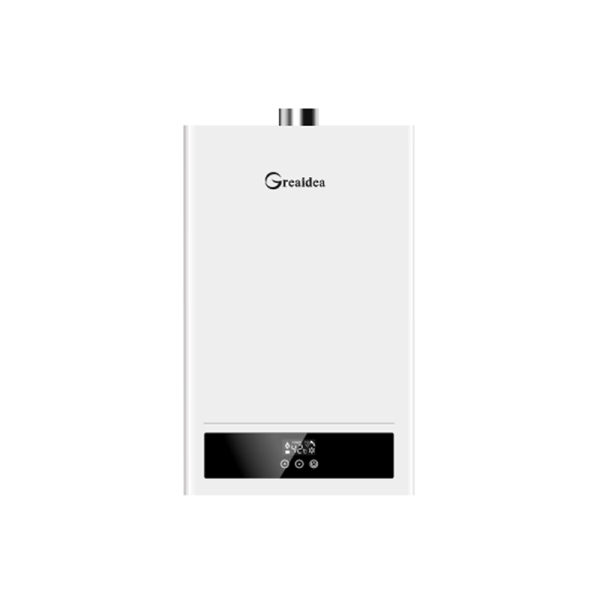
Best-selling constant temperature forced type in multiple regions, favored by professional distributors.