


Planning Your 2027 Gas Hob Product Line: How to Build a More Competitive Range
As 2027 approaches, gas hob brands have an important opportunity to review their existing product ranges and identify where the next stage of development should focus. Rather than simply adding more models, brands need to consider which products are still performing well, which configurations need improvement, and what new designs or features could create stronger market appeal.
Consumer preferences, product expectations and price positioning can change over time. A gas hob that performed well in previous years may still have a place in the market, while other models may need adjustments to remain competitive. For brands planning their next product range, the key is to make decisions based on sales performance, customer feedback and market demand. A competitive 2027 gas hob product line should not be built around new features alone. It should be a carefully planned combination of proven models, targeted improvements and new product opportunities.
Review Your Existing Gas Hob Product Line Before Planning New Models
Before developing new products, brands should take a closer look at their current gas hob range. Previous sales performance and customer feedback provide valuable information about what works in the market and where improvements may be needed.
Start by identifying the best-selling models from recent years. Which products have maintained stable sales? Which configurations have received positive feedback from distributors and end users? Are their designs, functions and price positions still suitable for the target market?
At the same time, brands should identify products that overlap in function, appearance or market positioning. If several models offer almost the same value to customers, maintaining all of them may increase product management and inventory complexity without creating meaningful differentiation.
Customer feedback is equally important. Comments about pan support stability, cleaning convenience, knob operation, ignition performance and overall appearance can reveal specific areas for improvement. Feedback from distributors, after-sales teams and sales representatives can also help brands identify recurring problems that may not be visible in sales figures alone. The objective is to understand which products deserve continued investment, which need targeted adjustments and where a new model could fill a genuine gap in the existing range.
Develop New Gas Hob Models Around Real Market Needs
Once the existing range has been evaluated, the next step is to identify product development opportunities. Every change should have a clear purpose linked to customer expectations, brand positioning or market competitiveness.
Optimize Pan Support Designs for Different Product Positions
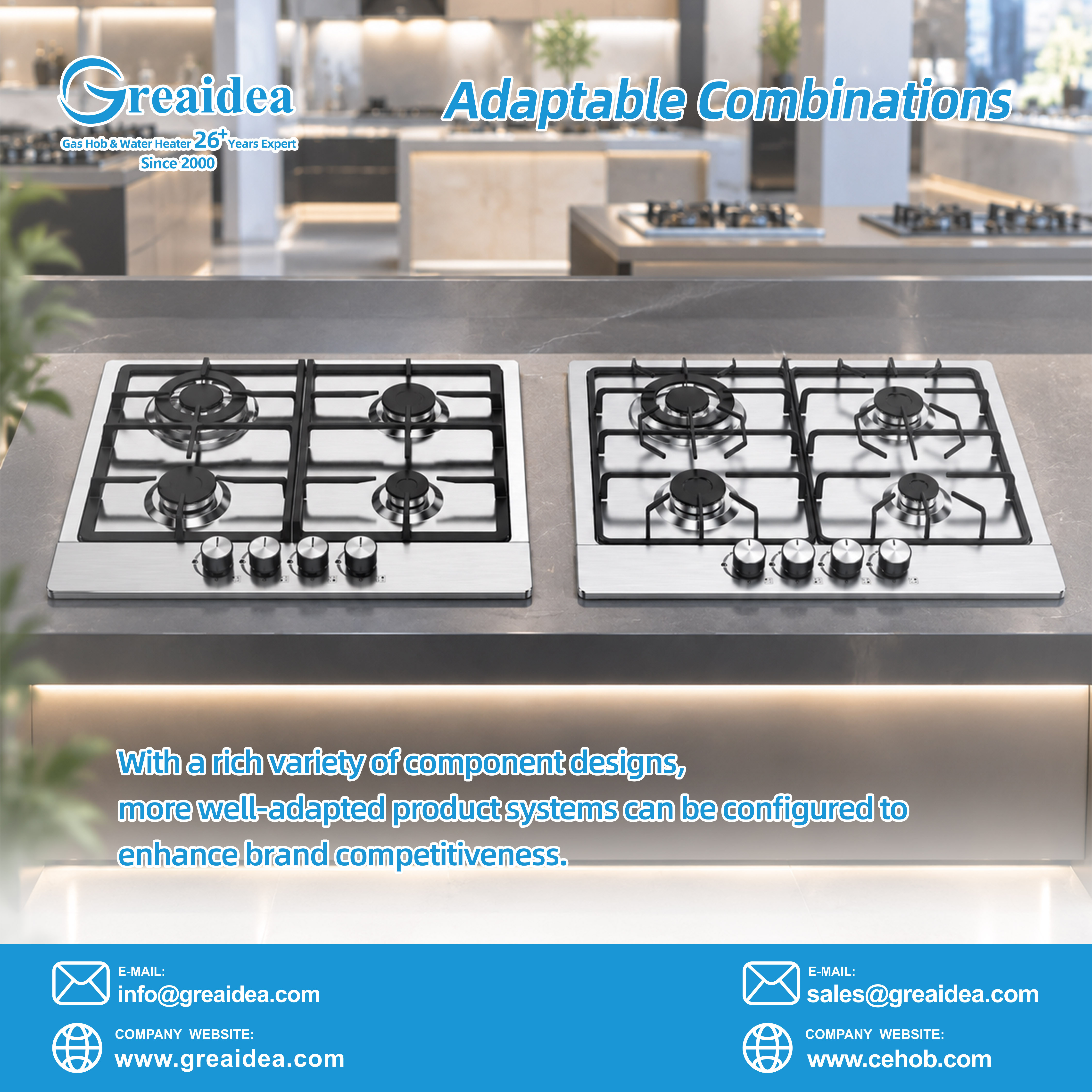
Pan support design is an important part of a gas hob's appearance and everyday usability. It also gives brands an opportunity to create different product positions within the same range. Cast iron pan supports remain a suitable option for models targeting customers who value a solid structure, cookware stability and a traditional appearance. For brands looking to develop more cost-conscious models, enamel wire pan supports offer another configuration option.
Design decisions should also reflect market feedback. The shape and layout of pan supports, cookware contact points, cleaning convenience and the overall visual effect all deserve attention. The goal is not simply to offer more pan support options, but to select designs that support the intended product positioning and provide practical value.
Introduce Functions That Create Meaningful Differentiation
Functional improvements can help a gas hob stand out, particularly when competing products have similar basic specifications. However, brands should focus on features that strengthen the product's identity or improve the user experience. For example, illuminated knobs can give a gas hob a more distinctive appearance and help establish a recognizable design style. A timer function can provide additional operating convenience and serve as a differentiating feature for selected product segments. Touch control may also be considered for models targeting a more modern design preference. Plan feature configurations tailored to specific product market segments, ensuring that any added costs are justified by the anticipated market value.
Refine Burner Power and Layout for the Target Market
Burner power and layout are also important considerations when developing a gas hob product range. Different markets may have different expectations regarding cooking intensity, burner combinations and cookware compatibility. The position of individual burners also affects how users arrange cookware and operate multiple cooking zones. By reviewing market preferences and feedback, brands can work with manufacturers to adjust burner power combinations and layouts for specific product requirements. These changes should be assessed together with the overall design and performance of the appliance.
Build a Balanced Product Portfolio for Different Market Segments
A competitive gas hob product line is not simply a collection of individual models. Each product should have a clear role within the overall portfolio.
For example, established models with reliable sales performance can remain part of the core range. Selected improvements to their appearance or configuration may help keep them relevant without changing the product identity that customers already recognize. At the same time, brands can develop different configurations to serve distinct price segments. An economy-oriented model may prioritize cost-effective components and practical functions, while a mid-range model could offer upgraded pan support designs or additional operating features. Higher-positioned models may incorporate illuminated knobs, timer functions or touch control to create a more distinctive product experience.
Brands should also avoid developing too many models with only minor differences. A larger catalogue does not automatically create a stronger market position. If products overlap too much, customers may find it difficult to understand their differences, while brands face additional challenges in inventory management, promotion and product support. A well-planned gas hob range should provide enough choice to cover different customer needs while keeping the overall product structure clear and manageable.
Why the Right Manufacturing Partner Matters in Product Planning
Even a well-developed product strategy needs the right manufacturing support to become a successful product range. A forward-looking gas hob manufacturer should be able to understand the customer's target market, brand positioning and existing product range before recommending new configurations. This includes considering historical sales performance, customer feedback, target costs and the competitive environment.
Product development capabilities are equally important. From appearance and structural design to component selection, sample development, testing and mass production, each stage needs to be considered. Working with an experienced OEM and ODM manufacturer can therefore help brands reduce unnecessary development adjustments and make more informed product decisions. The objective is not just to complete the next order, but to build a product range that supports the brand's longer-term business plans.
How Greaidea Supports Your 2027 Gas Hob Product Development
With experience serving overseas markets and supporting gas appliance product development, Greaidea works with customers to evaluate existing ranges and explore suitable improvement opportunities. Recommendations can take into account target markets, historical sales performance, current product configurations, customer feedback and target cost.
For gas hob development, this may involve optimizing pan support designs, selecting suitable functional configurations, adjusting burner power combinations and layouts, or developing new appearances for specific market positions. Through OEM and ODM support, Greaidea assists customers from product concept and configuration planning to sample development, testing and mass production..
Greaidea also brings 26 years of gas hob OEM and ODM experience, reflecting its long-term involvement in serving global clients and understanding overseas product requirements. This experience supports a broader commitment to practical product development and long-term manufacturing cooperation. For brands preparing their 2027 gas hob product line, early discussion with a manufacturing partner can help clarify which existing models to retain, where improvements are worthwhile and what new configurations deserve consideration.
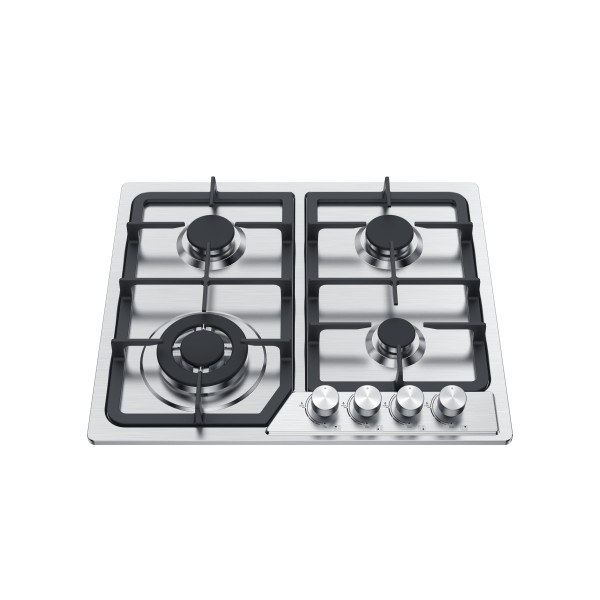
IDEAL KITCHEN CHOICE - 4 burner stainless steel gas hob features high heat output, stable flame and easy to clean surface.
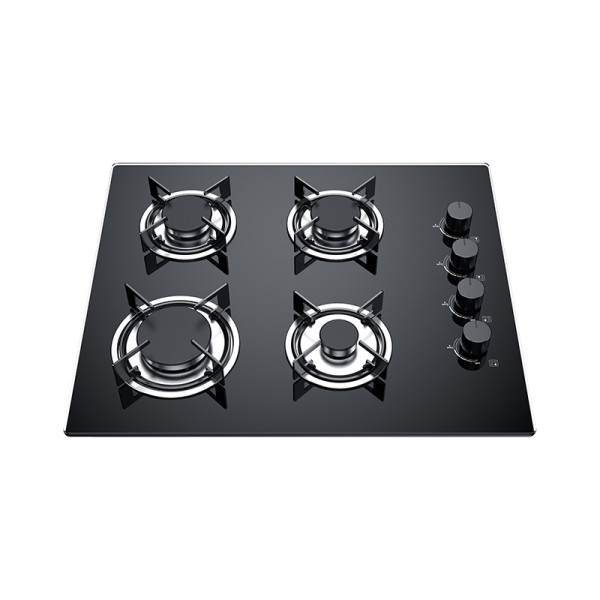
New Design 4 burner gas hob — customized designs to match your market needs.
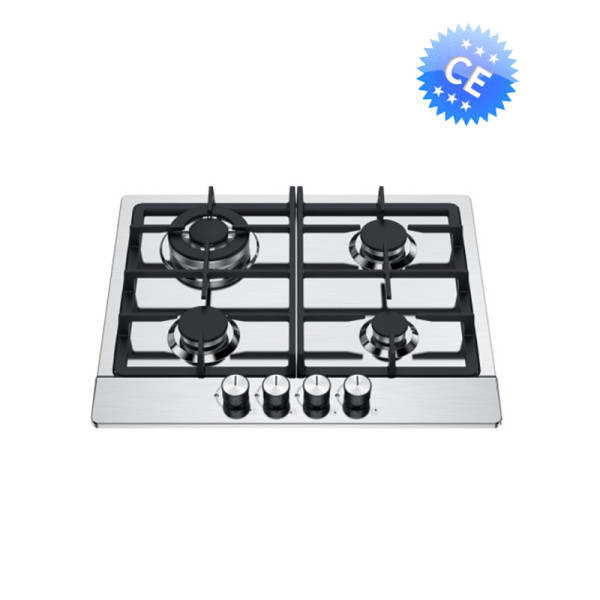
Ideal for brands seeking CE-certified, durable, and cost-effective gas hobs.
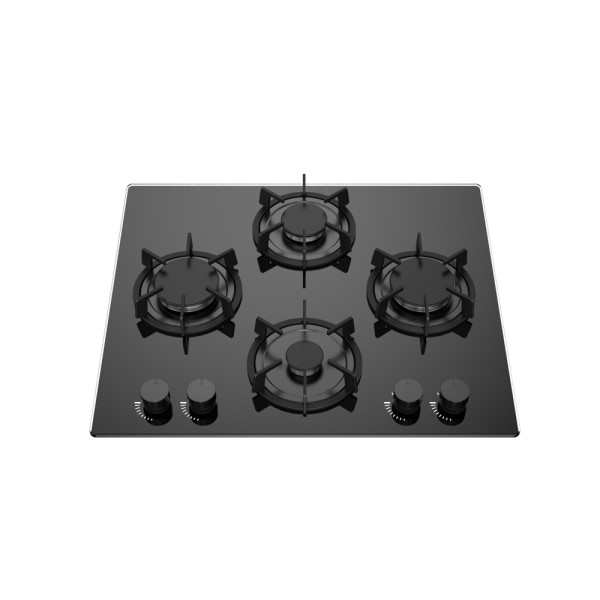
Greaidea's best-selling 4 burner gas hob — trusted by global appliance brands.
Plan Your 2027 Gas Hob Range with a Clear Strategy
Building a more competitive gas hob product line for 2027 is not about launching as many new models as possible. It starts with understanding existing sales performance, listening to customer feedback and identifying the product improvements that matter to the target market. By retaining proven products, optimizing selected configurations and developing new models with clear market positioning, brands can build a more balanced and commercially relevant product range.
The right manufacturing partner can help turn these plans into workable product solutions through market insight, configuration recommendations and reliable OEM and ODM development support.
Contact Greaidea. Start planning your 2027 gas hob range early. Review your existing products, identify the right opportunities.