


China vs Turkey vs India: Which Gas Appliance Supply Chain Supports Brand Growth in 2026?
As the global gas appliance industry moves into 2026, brands face a market very different from the one they knew five or ten years ago. Safety regulations have tightened across multiple regions, the demand for higher-efficiency gas hobs and water heaters continues to rise, and product iterations are becoming faster. For distributors and private-label brands, choosing the right supply chain is now directly tied to after-sales cost control, long-term brand reputation, and the ability to compete beyond price alone.
China, Türkiye, and India have become the three most frequently compared destinations in the field of gas appliance procurement. Each region offers strengths and limitations, and none can be evaluated using a single metric such as cost. The real question for 2026 is not "which country is best," but rather "which manufacturing ecosystem best supports stable, long-term growth for the brand."
China: Scale, Maturity, and Technical Depth
China's gas appliance supply chain has developed into one of the world's most complete ecosystems, covering everything from key components—valves, burners, glass, airflow systems—to full appliance integration and market-specific ODM development. Its most noticeable advantage is the speed and consistency with which manufacturers can adapt designs to different gas types, regional standards, and consumer preferences.
Product iteration in China is rapid: multi-protection devices, improved combustion systems, and touch-control panel upgrades are already widely available. Large-scale production also helps ensure repeatable quality, allowing brands to minimize variance between batches.
The main challenge for buyers is not capability but selection. With such a wide range of suppliers, choosing an experienced and stable ODM manufacturer becomes essential. Brands that perform supplier due diligence typically see far smoother launch cycles compared with those who focus only on initial price comparisons.
Turkey: Regional Strength and Proximity Advantages
Turkey has established a strong regional presence, particularly in Europe, the Middle East, and North Africa. Its proximity to these markets offers clear logistical advantages, and many Turkish factories have built solid reputations through long-term cooperation with regional distributors.
The manufacturing ecosystem is smaller compared with China, and component sourcing often depends on external suppliers. This leads to higher material cost sensitivity, but also gives Turkey the advantage of having closer cultural and regulatory alignment with nearby markets. For brands focused on regional products rather than global scale, Turkey remains a reputable sourcing destination.
India: Growing Capacity in a Developing Ecosystem
India's gas appliance sector is developing quickly, driven by large domestic demand and growing export interest. Its main advantage lies in cost-driven production, especially for entry-level gas hobs and basic water heaters.
However, the supply chain maturity still varies significantly. Many critical components—burners, valves, tempered glass, injection parts—are externally sourced or imported. This means ODM capability is still developing, and product customization often requires longer lead times or external engineering support.
For brands seeking basic SKUs at competitive cost, India is an emerging option. For brands requiring market-specific adaptation or advanced features, the ecosystem may require additional validation.
Summary of the comparison of the three
To help clarify how the three supply chains differ, the following table summarizes their general structures and strengths from an industry-neutral perspective:
| Factor | China | Turkey | India |
| Supply Chain Maturity | Highly integrated, full-ecosystem | Mid-scale, regionally strong | Developing, component-dependent |
| Technical Adaptation (ODM) | Strong and fast | Moderate | Limited but improving |
| Cost Stability | Stable, competitive | Moderate, material-sensitive | Strong for basic models |
Product Range | Broad (hob, hood, heater) | Focused, regional | Basic to mid-range |
Scalability | High-volume capacity | Medium | Developing |
This comparison makes one point clear: each sourcing region has advantages, the right choice depends on brand goals, risk tolerance, and long-term market direction.
How Brands Should Evaluate Manufacturers in 2026
Once regions are compared, the next step is assessing the manufacturer itself. In 2026, "reliable supplier" has a broader meaning than before. It includes the ability to comply with local safety requirements, support technical iteration, and minimize after-sales risk.
In practice, procurement teams are prioritizing four dimensions:
Quality Consistency Over Time
Reliable safety devices, and repeatable QC performance matter more than any single test result. Consistency reduces complaints, and fewer complaints strengthen the brand.
Adaptation Capability for Local Gas Types & User Habits
Manufacturers able to adjust injectors, burner structures, airflow, and controls based on market habits give brands a measurable performance advantage.
Production Stability & Predictable Delivery
A manufacturing partner must be able to scale production without increasing variance or extending lead times unpredictably.
Effect on After-Sales Cost
A product that reduces return rates by a few percentage points offers a greater strategic advantage than a small initial price difference.
When viewed through these dimensions, brands gain a clearer understanding of which manufacturing ecosystem best supports their long-term growth rather than short-term savings.
Why Many Buyers Shortlist China's Top Manufacturers
Across many interviews and procurement reports, a recurring trend appears: brands preparing for long-term category expansion increasingly shortlist China's top gas appliance manufacturers. This is driven not by price alone but by three factors: stronger ODM capabilities, faster engineering iteration cycles, and proven product stability across diverse markets. For brands aiming to build reputational strength instead of transactional sales, this stability becomes a competitive advantage.
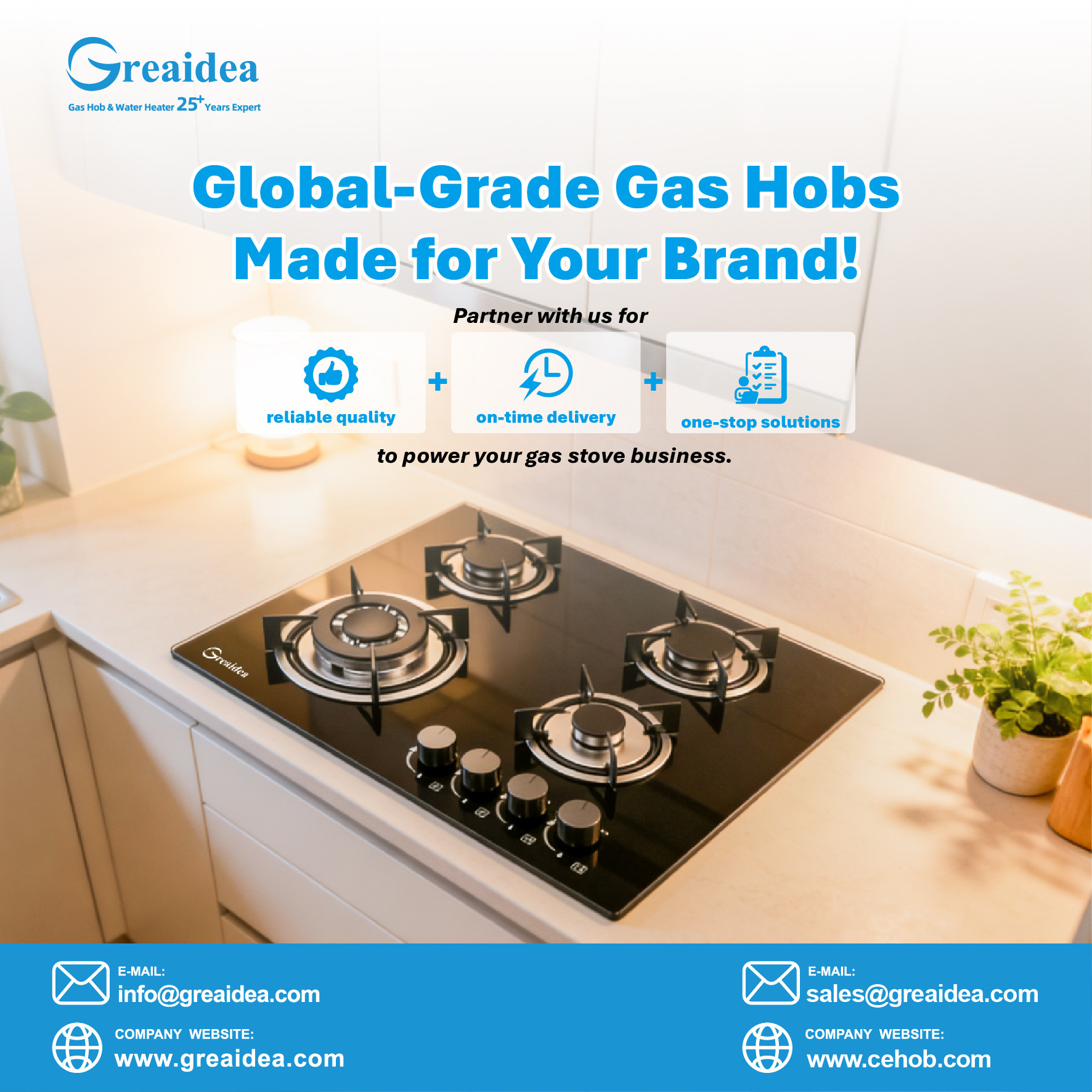
A Reliable Choice for Brands Seeking Long-Term Supply Stability
Looking for China's top 3 gas appliance manufacturers? We recommend Greaidea, which has received high praise from numerous customers.
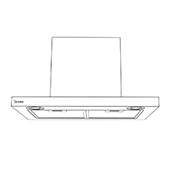
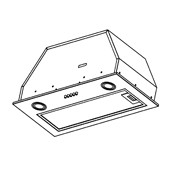
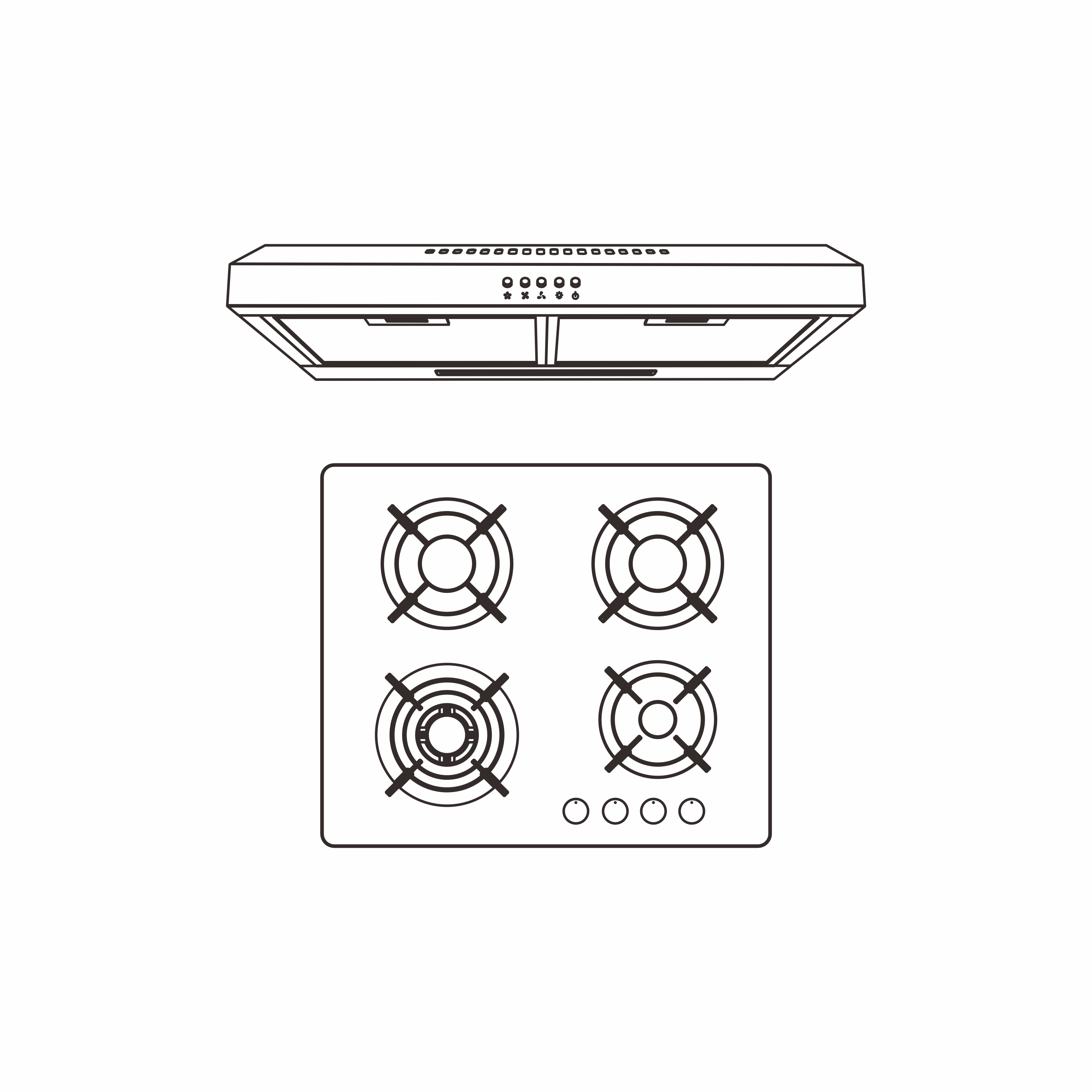
Greaidea is frequently included as a core candidate due to its 25 years of industry experience and long-standing partnerships across the Middle East, Europe, Latin America, and Africa. The company provides OEM and ODM solutions for gas hobs, gas water heaters, and range hoods, and its development philosophy focuses on market-driven adaptation—aligning combustion performance, usability, and safety with local requirements rather than offering generic catalog products.
Its portfolio has been validated by diverse customer cases, and many Brands and distributors credit Greaidea with reducing after-sales pressure, stabilizing product margins, and accelerating the transition to higher-value models. For brands preparing to upgrade their product line or develop a new category, Greaidea offers both engineering depth and reliable manufacturing capacity.
Choosing a supply chain in 2026 is not simply a matter of comparing countries; it is a strategic decision that shapes a brand's long-term competitiveness. Companies that align with capable, stable, and market-aware manufacturing partners will find it easier to reduce risk, maintain reputation, and expand their category presence.
If you are reviewing suppliers for gas hobs, gas water heaters, or range hoods—and want solutions proven across multiple markets— Contact Greaidea welcomes discussions, technical evaluations, and sample requests.
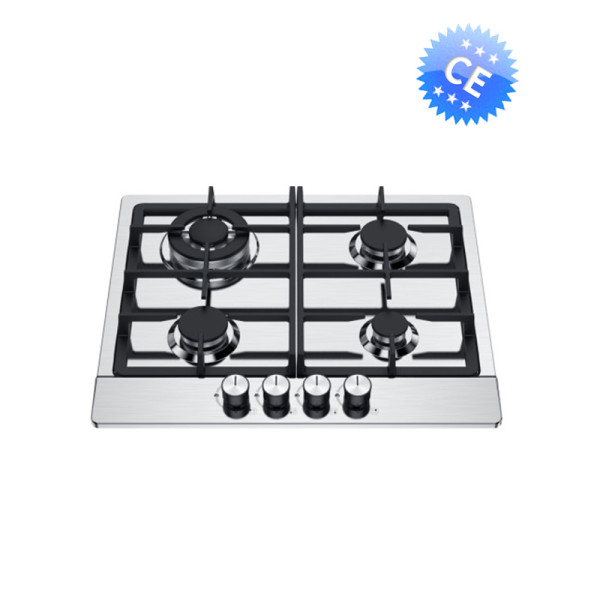
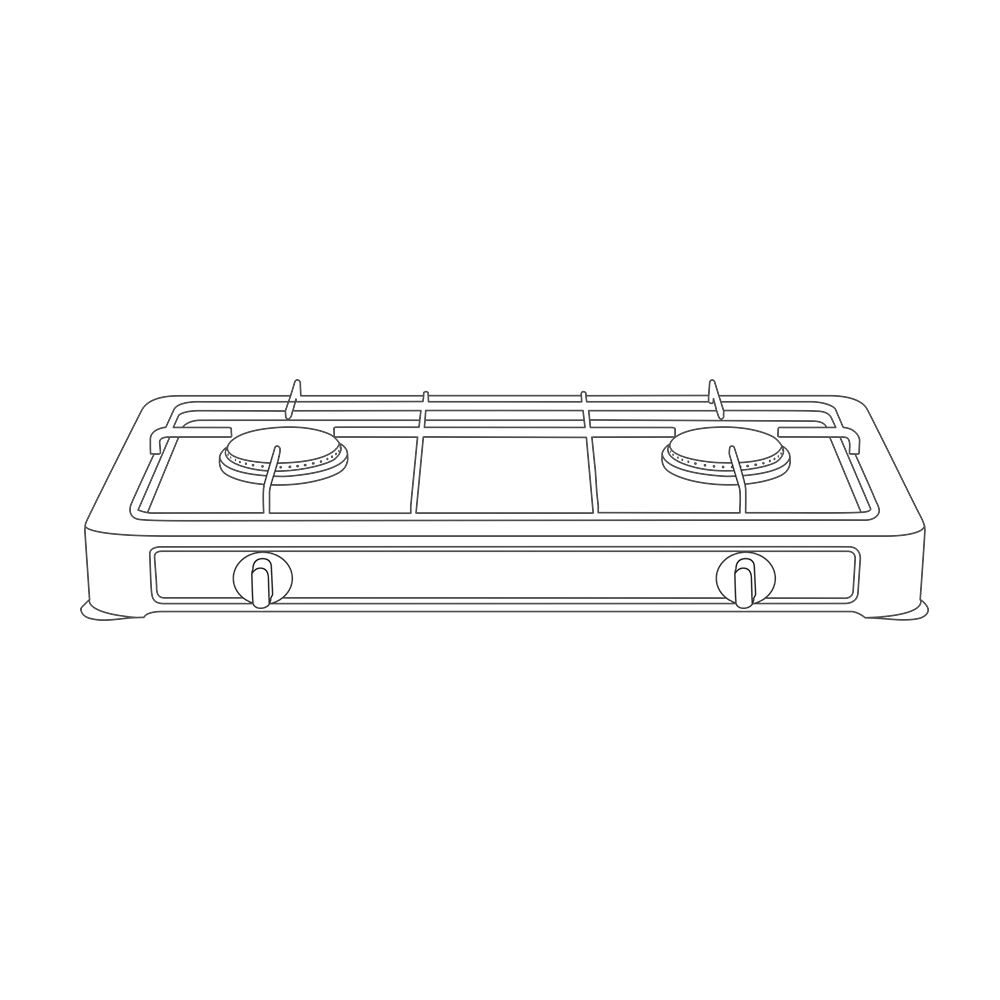
Ideal for distributors seeking CE-certified, durable, and cost-effective gas hobs.
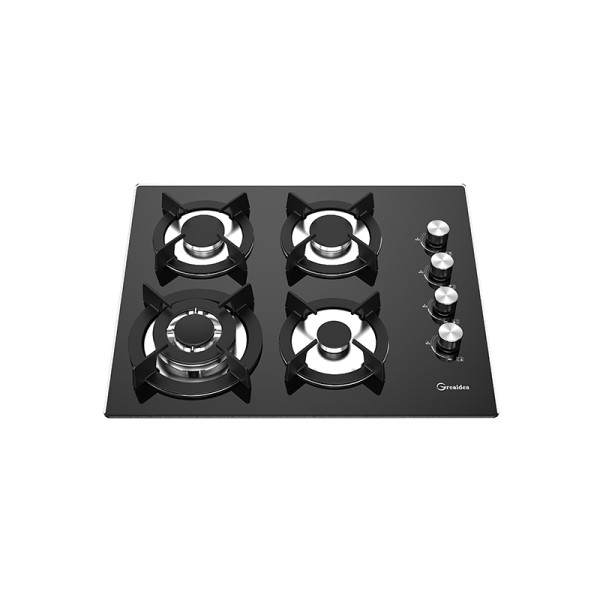
The first choice to enhance your gas hob series, Greaidea provides high-end configurations at competitive prices.
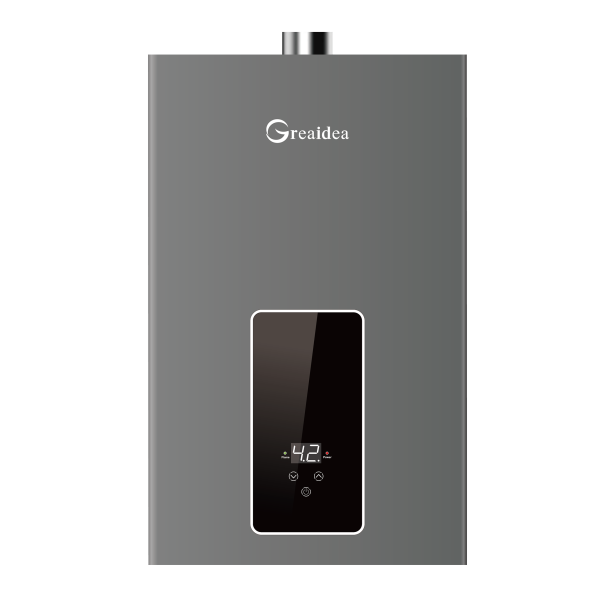
Air-cooled gas water heater with AI temp control, V-shape burner, and dual-speed fan for high efficiency.

Designed for eco-friendly markets seeking reduced nitrogen oxide emissions and high efficiency.