


Customers Speak: What Changed After Switching to Greaidea as Their Gas Appliance Supplier
In highly competitive gas appliance markets, switching suppliers is never a light decision. Importers and brand owners know that a factory change affects not only product cost but also quality stability, after-sales risk, distributor confidence, and long-term brand reputation. Yet in recent months, a growing number of distributors across Latin America, the Middle East, and parts of Europe have quietly shared the same message: after changing their gas appliance supplier, they finally began to see measurable improvements in returns, complaints, and dealer performance.
Those improvements did not come from marketing changes or aggressive price cuts. Instead, they came from fundamental changes in product stability, delivery reliability, and technical support — the areas that usually determine whether a supplier relationship survives beyond the first few orders.
A Familiar Gas Appliance Market Problem
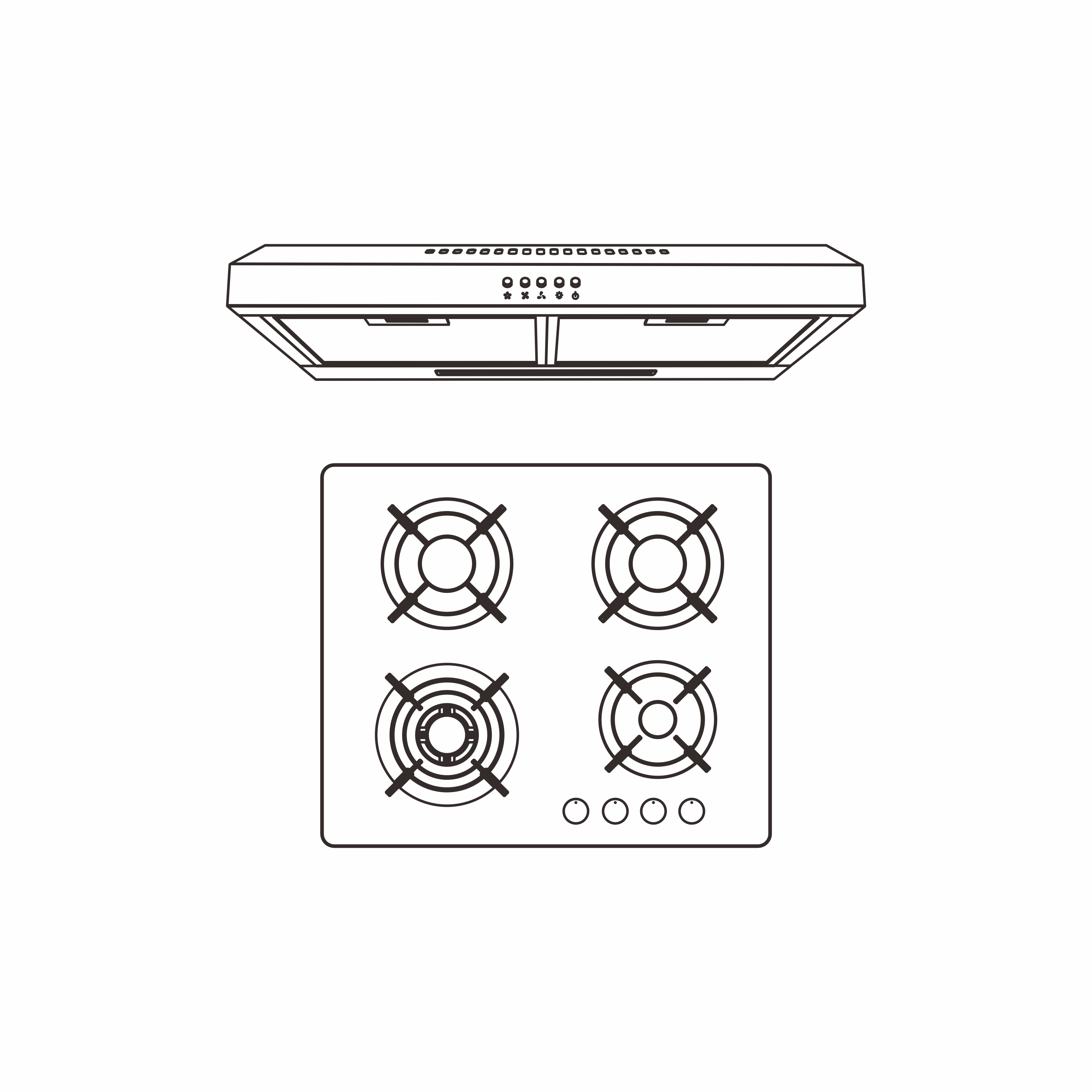
For many importers, the pressure is consistent across regions: rising logistics costs, intensifying retail competition, stricter safety regulations, and end users who are far less tolerant of product defects than they were five years ago. Gas hobs with unstable flames, tankless gas water heaters with ignition failures, and range hoods with poor smoke extraction can quickly turn into after-sales liabilities.
Distributors report that complaint-driven losses no longer remain limited to one product batch. Negative reviews spread faster online. Retail sales slow down. Dealership trust weakens. And price pressure intensifies further as brands struggle to recover lost confidence.
This was exactly the challenge faced by a mid-sized gas appliance importer in South America that recently restructured its supply chain.
Real-world Case Study: Problems Encountered By Distributors
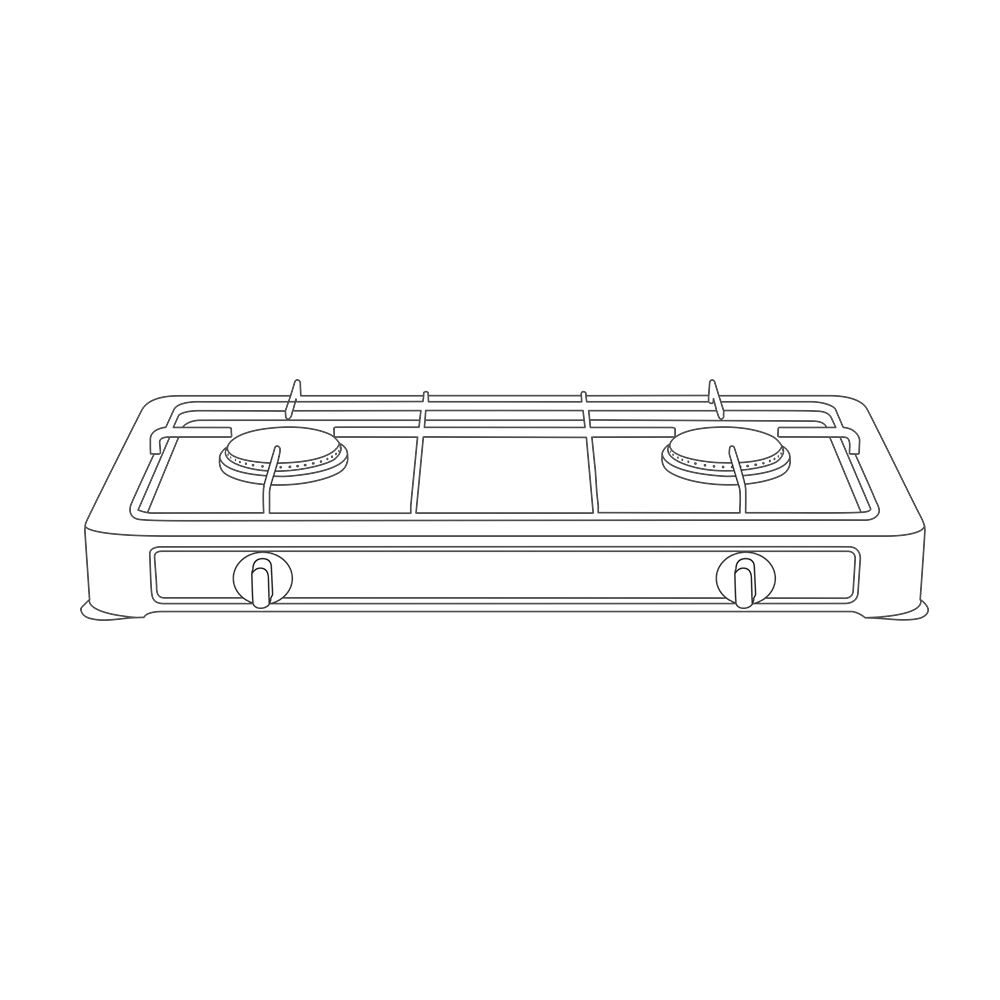
The importer, operating across three national retail chains, had sourced gas hobs and gas water heaters from the same overseas supplier for several years. At first, the cooperation appeared stable. But as their sales volume grew, hidden problems began to accumulate:
Increasing customer complaints products
Higher-than-normal return rates at retail outlets
Rising costs for warranty replacements and technician visits
Retail partners began to reduce promotional support. Some stores even paused restocking certain models. The distributor found itself trapped between rising after-sales costs and declining shelf confidence.
Transitioning to a Different Supplier Model
Therefore, based on the above issues, the company initiated a comprehensive supplier reassessment. Rather than simply switching to another low-price factory, the distributor took a different approach. The focus shifted from unit cost to long-term technical stability and market adaptability. After multiple engineering audits and sample evaluations, the company began pilot cooperation with Greaidea as a new gas appliance supplier.
The transition started cautiously with a limited batch of gas hobs and tankless gas water heaters. What stood out during the early phase was not speed, but the testing process itself. Instead of relying solely on factory lab data, products were adjusted based on local gas pressure and real installation conditions collected from the distributor's service teams.
Combustion parameters were recalibrated. Flame ports were refined. Safety cut-off response thresholds were optimized. What had previously been treated as "standard models" became market-matched configurations.
Changes After Changing Gas Appliance Suppliers
Within the first full sales cycle after the new models were launched, the distributor reported clear changes:
Customer complaints related to flame instability dropped sharply. Ignition-related service calls became noticeably less frequent. Retail return rates declined to levels the company had not seen in several seasons.
More importantly, dealer sentiment shifted. Instead of requesting returns or replacements, store managers began requesting additional stock for promotion. Sales staff grew more confident in recommending the updated products to end users.
One regional sales manager summarized the change simply: “Before, we were always reacting to problems. Now, the products stopped creating problems in the first place.”
A Broader Pattern Across Multiple Markets
The South American case is no longer isolated. Similar feedback has emerged from importers in North Africa and Eastern Europe who also shifted from price-driven sourcing to suppliers capable of deeper technical coordination.
In multiple cases, distributors reported that after-sales cost ratios fell noticeably within the first few sales cycles. As technical issues declined, dealer confidence recovered, allowing retail partners to restart in-store promotions with greater certainty. At the same time, product margins gradually stabilized as price pressure softened and channel conflicts eased.
These changes did not result from branding campaigns or influencer marketing. They came from technical stability, production consistency, and responsive manufacturing collaboration.
What Importers Are Re-Evaluating Today
As gas appliance markets mature, importers are reassessing how they evaluate suppliers. The old model of choosing factories primarily by quotation is gradually being replaced by a more risk-centered framework:
Can this supplier adapt products to my local gas conditions?
Can they stabilize quality beyond initial sampling?
Can they support certification requirements and spare parts continuity?
Can they evolve designs as regulations and user behavior change?
These questions increasingly shape long-term sourcing decisions.

A Quiet Shift in Supplier Expectations
Behind the scenes, supplier expectations are quietly changing. Importers today no longer look only for competitive pricing. What they care about more is fewer surprises after launch, smoother coordination during delivery, faster response when issues arise, and products that will not turn into long-term reputational risks once installed.
As one Middle Eastern distributor shared during a recent private sourcing review, "Price problems hurt once. Quality problems hurt for years." That way of thinking is slowly redefining what a "reliable supplier"truly means in today's market—and why more buyers are turning their attention to partners like Greaidea, valuing the reliability of Greaidea gas hobs and gas water heaters rather than just cost.
The gas appliance industry is entering a stage where supplier choice is no longer just a procurement task, but a strategic decision that directly affects brand stability and channel confidence. Products are now judged not at the factory gate, but months and years later in real households.
For brands facing rising complaints, unstable performance, or weakening distributor trust, rethinking the supplier relationship may be the first step toward long-term recovery. For those looking to explore market-driven OEM and ODM solutions with fewer after-sales risks, connecting with Greaidea for an initial consultation could open the door to a more sustainable growth path. Email: sales@greaidea.com