


Why Your Range Hood Doesn't Sell—Even with Good Specs | ODM Manufacturer Insights for Brands
How design, internal structure, and the right ODM partner impact real sales performance in today's competitive range hood market.
The range hood market is more competitive than ever. New models launch constantly, most of them claiming strong airflow, powerful motors, and advanced features. On paper, they look impressive.
Yet many brands face the same problem: the product looks good, but it doesn't sell.
Low conversion rates, slow inventory turnover, and weak repeat orders are becoming common—even for products with "good specs."
So what's missing?
Specs Don't Sell — Systems Do
An experienced engineer at Greaidea puts it simply:
"A range hood is not defined by specs alone. It's the result of design, structure, and how well it fits real usage."
Many products are developed by focusing on numbers—airflow, wattage, filter layers. But in real kitchens, users don't buy numbers. They buy experience.
If the overall system isn't well designed, strong specs won't translate into strong sales.
Market Fit Comes First
One of the most overlooked reasons behind poor sales is a simple mismatch between the product and the market. Many brands apply the same range hood model across different regions without fully understanding how people actually cook and use their kitchens.
In reality, cooking habits vary significantly. In some markets, users require strong suction to handle heavy oil and smoke, while in others, low noise, compact size, and clean aesthetics matter more—especially in modern apartments.
A range hood that doesn't align with real user expectations will quickly lose its appeal, no matter how strong the specifications look. Market fit is not an extra advantage—it is the foundation of a product that sells.
Design That Looks Good vs. Design That Sells
In today's appliance market, design goes beyond appearance. What truly matters is how the design performs in real-life scenarios.
If the control panel is not intuitive, if cleaning becomes inconvenient over time, or if the installation doesn't suit common kitchen layouts, users will notice these issues quickly. These details directly affect user satisfaction, reviews, and ultimately, repeat purchases.
Design, in this sense, is closely tied to usability. A well-designed range hood should not only look good on display—it should feel natural to use every day. That's what turns first-time buyers into long-term customers.
What You Don't See: Internal Structure Defines Performance
While external design attracts attention, it is the internal structure that determines whether a product can truly perform.
Two range hoods may appear almost identical from the outside, yet deliver completely different results once installed. This difference often comes down to how airflow is managed, how efficiently the motor operates, and how well the filtration system is structured.
When internal design is not properly optimized, problems begin to surface during real use—reduced suction under load, higher noise levels, and oil accumulation over time. These are the kinds of issues that lead to negative feedback and slow down sales, even if the original specifications looked competitive.
Is It the Manufacturer? In Many Cases, Yes
When a product struggles in the market, the question often comes up: is the issue with the manufacturer?
In many cases, the answer is yes. The capabilities of an ODM manufacturer go far beyond production—they influence how a product is designed, optimized, and positioned for the market. Not all manufacturers approach this process with the same depth.
Some rely heavily on replicating existing models without meaningful improvements. Others may lack a clear understanding of end-user needs or fail to optimize internal structures for real-world performance. As a result, brands receive products that technically meet requirements but lack the refinement needed to succeed commercially.
Choosing the right range hood ODM manufacturer is not just a sourcing decision—it is a strategic factor that directly affects product performance and long-term sales.
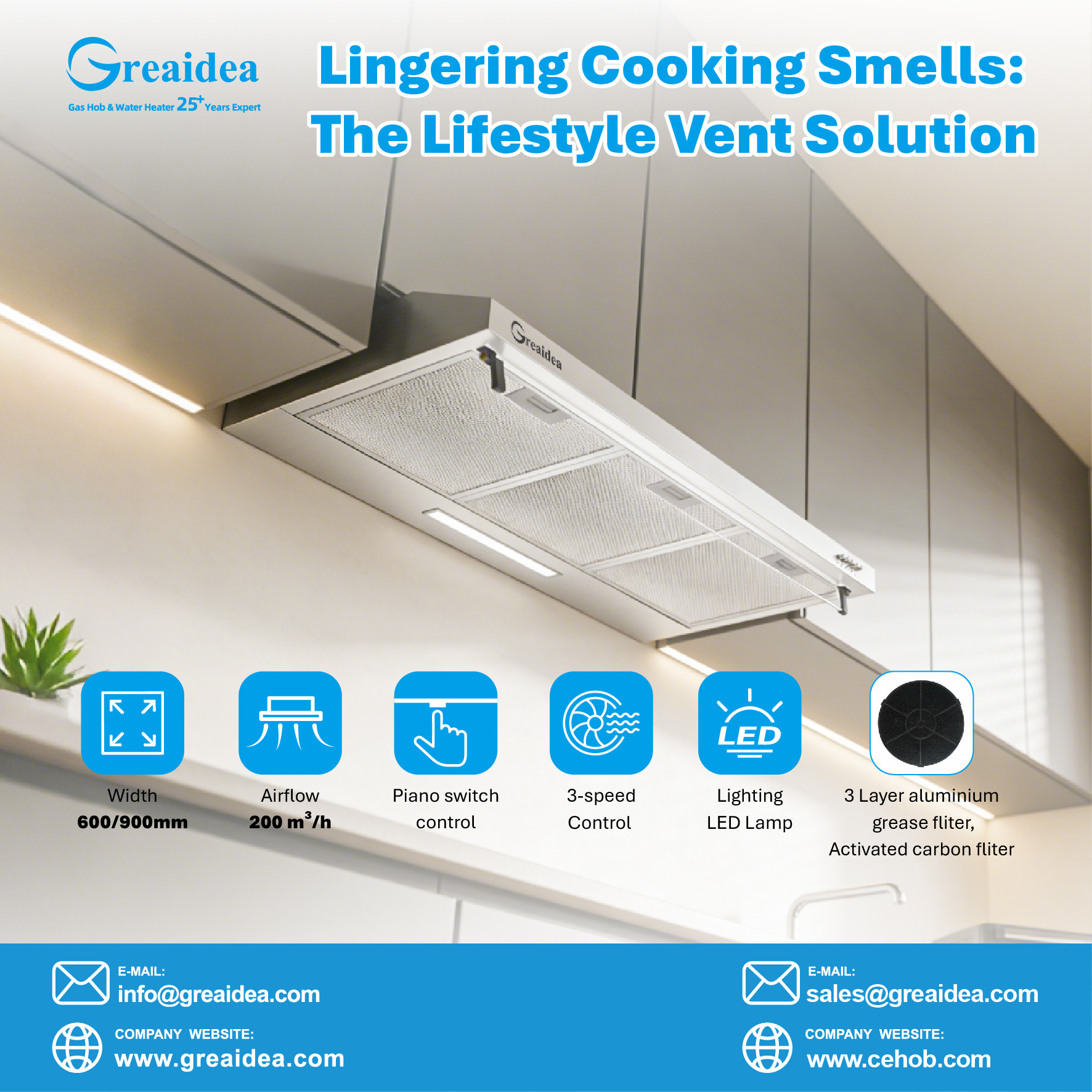
How Greaidea Approaches Range Hood Development
At Greaidea, instead of focusing only on specifications, the process begins with understanding how the product will perform in the target market.
With years of experience as a range hood ODM manufacturer, Greaidea works closely with brands to align product development with real usage scenarios. This includes evaluating cooking habits, kitchen environments, and user expectations before finalizing design and structure.
The goal is to create a balanced product—one that delivers strong airflow while maintaining acceptable noise levels, one that performs efficiently without unnecessary cost increases, and one that fits naturally into the user's daily routine.
From Concept to Market: What Successful Products Have in Common
Successful range hood products rarely happen by chance. Behind them is a clear understanding of what the market needs and how the product should perform in real conditions.
Brands that achieve consistent sales growth tend to focus on developing products with a clear position, stable performance, and strong usability. Just as importantly, they work with manufacturing partners who can translate these requirements into well-executed products.
In many cases, Greaidea has supported partners in refining product concepts and improving structural design, resulting in models that perform reliably across both online and offline channels.
As one partner noted, what made the difference was not just product quality, but how well the product matched actual customer expectations. That alignment is what drives repeat orders and long-term market presence.
Work with the Right ODM Partner
For brands looking to improve their range hood product line, choosing the right ODM partner is a critical step.
Greaidea provides ODM solutions built on practical market insight, refined product design, and stable manufacturing capability. By working closely with partners, the focus remains on developing products that perform reliably and meet real market demand.
If you are planning your next range hood model, now is the time to rethink your approach.
Contact Greaidea to explore how we can support your next successful product.
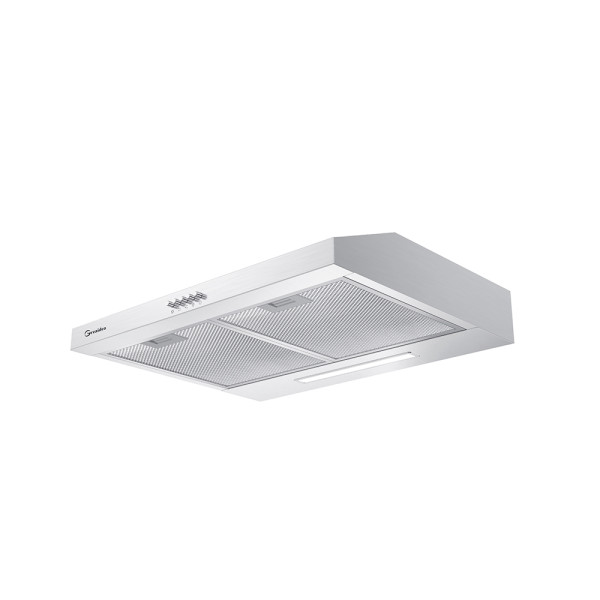
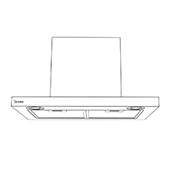
Greaidea slim under-cabinet range hood, hot-selling in global markets—ideal for brands seeking reliable OEM/ODM solutions.
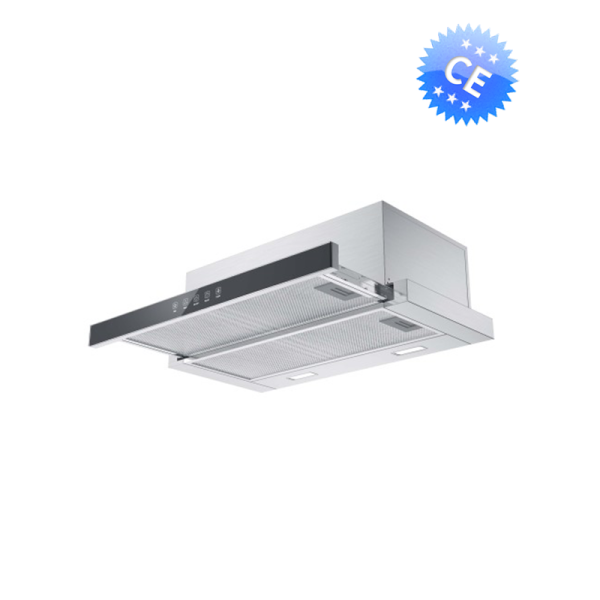
Greaidea pull-out range hood with silent ventilation design, space-saving structure, and smooth telescopic operation.
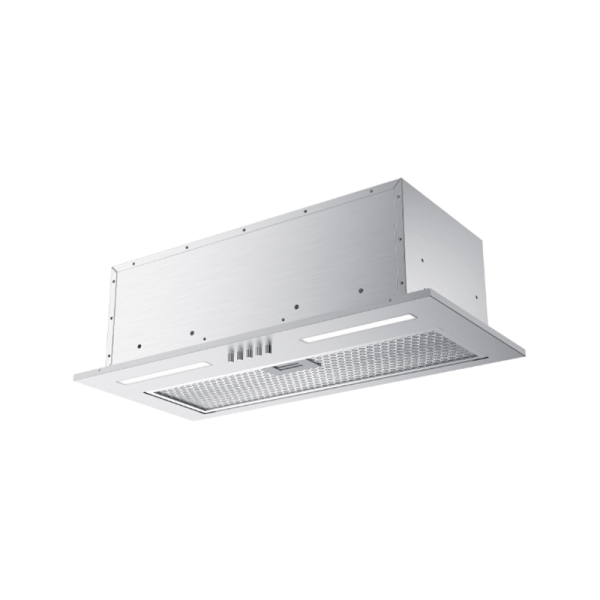
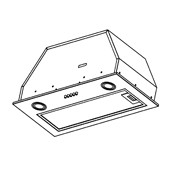
Greaidea built-in cooker hoods come with easily replaceable filters and powerful suction for convenient and efficient kitchen use.

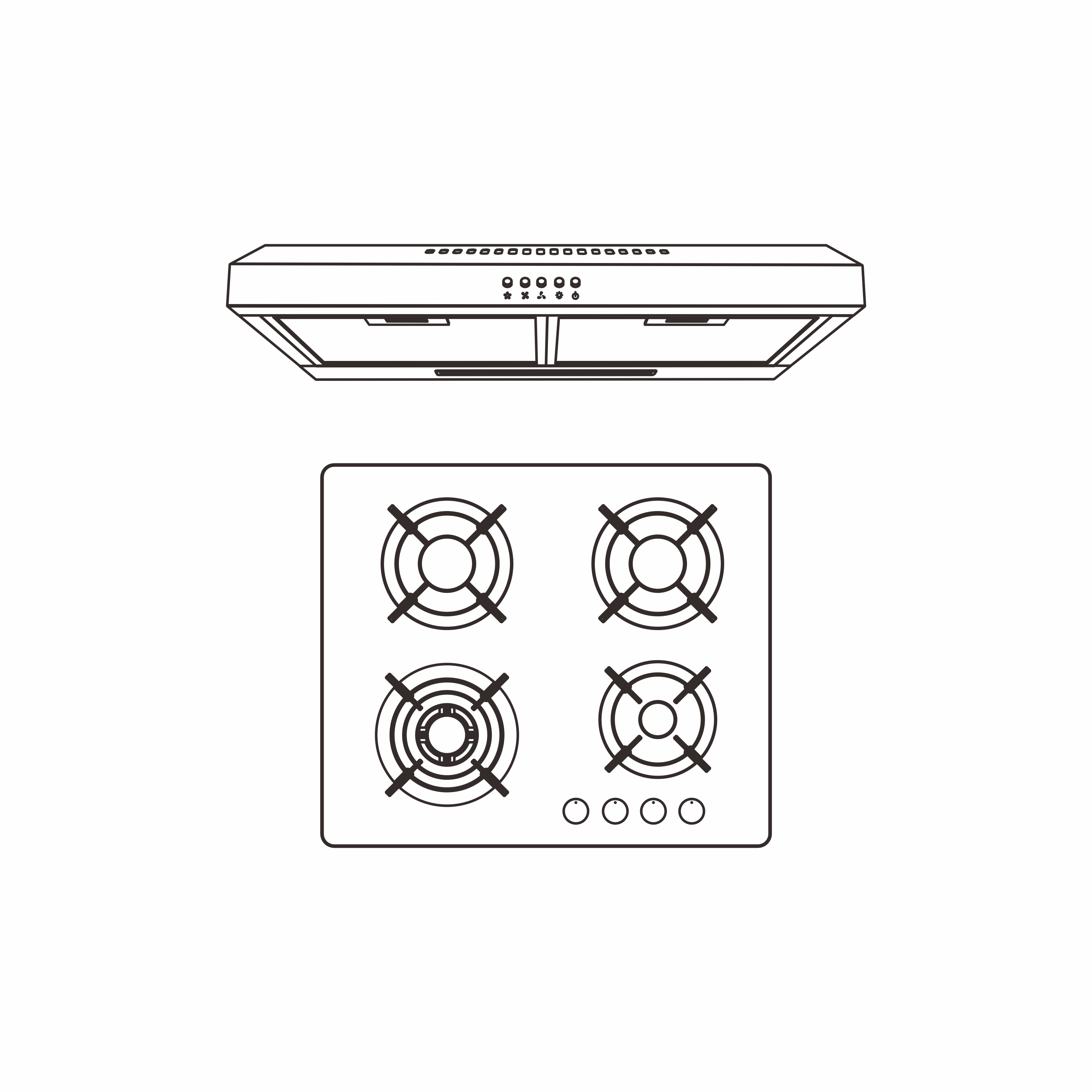
Slim design range hood by Greaidea with touch control, LED lighting, and 3-speed fan for efficient kitchen ventilation.