


Range Hood Market Trends for 2026: What Brands and Retailers Should Focus On
In a well-functioning kitchen, one of the most important yet often underestimated appliances is the range hood. For years, it was treated as a supporting product—something necessary, but rarely central to purchasing decisions. That perception is changing. As cooking habits evolve, energy costs rise, and consumers demand healthier and more comfortable living environments, range hoods are becoming a key driver of kitchen experience and brand differentiation.
Looking ahead to 2026, the range hood category remains not only relevant, but full of opportunity. For kitchen appliance brands and retailers, growth will no longer come from adding more models or competing on price alone. Instead, success will depend on understanding how range hoods contribute to air quality, energy efficiency, design consistency, and long-term user satisfaction—and on choosing the right manufacturing partners to deliver products that meet these expectations.
Why Performance Expectations for Range Hoods Are Rising
Modern households spend more time cooking at home than they did a decade ago, especially in urban and family-oriented markets. With this shift comes higher expectations for indoor air quality. Smoke, grease particles, and odors are no longer seen as unavoidable side effects of cooking. Consumers expect their kitchens to remain clean, quiet, and comfortable, even during intensive daily use.
A well-designed range hood directly supports this expectation. Beyond removing smoke, it helps reduce lingering odors, prevents grease from settling on cabinets and walls, and contributes to a healthier indoor environment. In many markets, especially in Latin America, Southeast Asia, the Middle East, and parts of Europe, these practical benefits strongly influence purchasing decisions—often more than advanced smart features or complex controls.
Retail and Market Signals for 2026
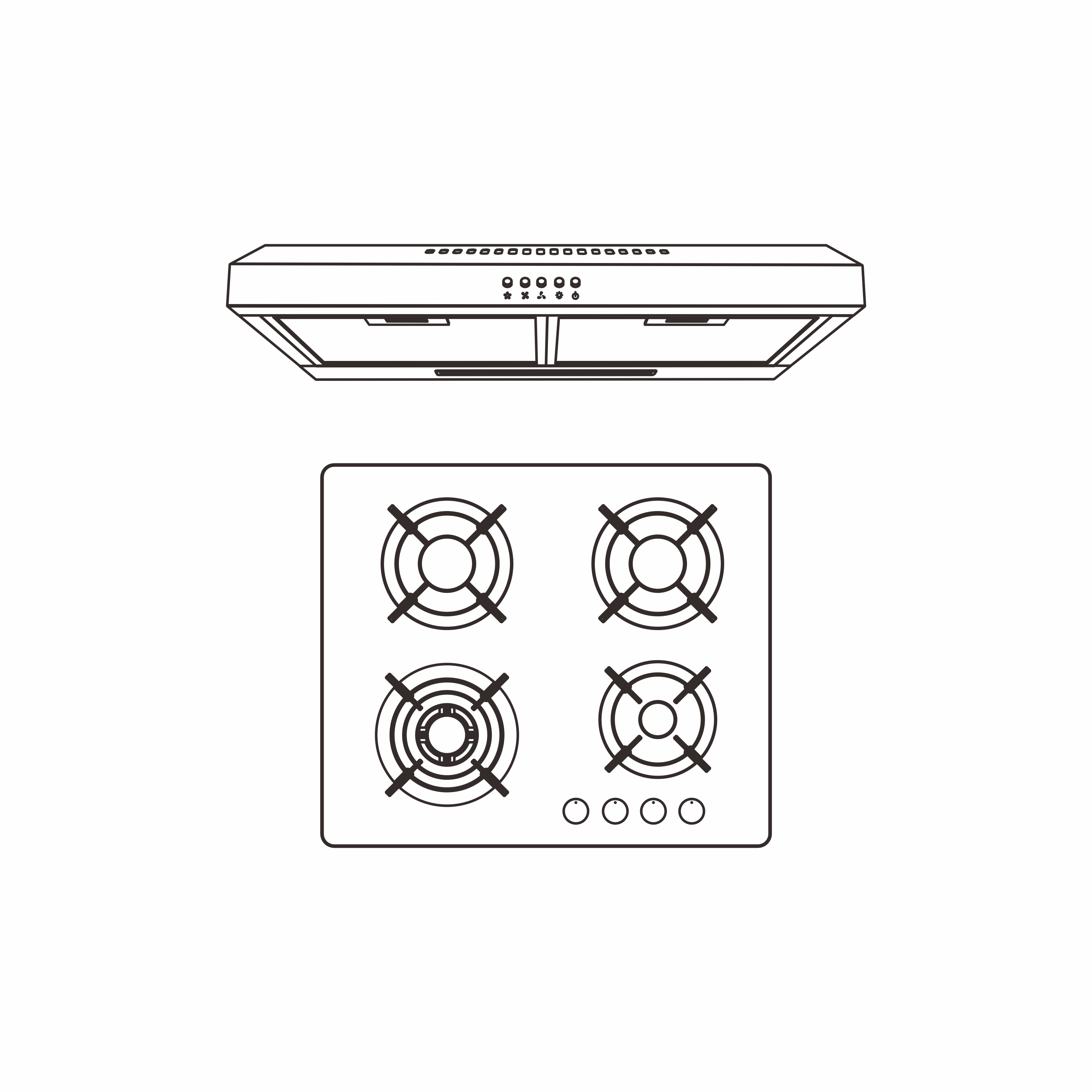
From a retail perspective, range hoods are gaining renewed attention. Dealers report that consumers increasingly evaluate kitchen appliances as a system rather than as isolated products. A hood that visually matches the gas hob, fits seamlessly into cabinetry, and delivers reliable extraction performance is more likely to be chosen—even if it is not the lowest-priced option.
At the same time, energy awareness is rising. While range hoods are not the largest energy consumers in the kitchen, efficiency still matters. Quiet operation, optimized airflow design, and durable motors all contribute to lower long-term energy and maintenance costs. For brands, these factors translate into fewer complaints, better reviews, and stronger repeat business.
Key Features Defining Best-Selling Range Hoods in 2026
In 2026, successful range hood models will not rely on gimmicks. Instead, they will focus on a combination of performance, usability, and adaptability. There are several characteristics that consistently define hot-selling models across regions:
1. Efficient airflow and stable suction, designed to handle both light daily cooking and heavier regional cuisines.
2. Low noise levels, achieved through balanced motor systems and optimized internal structure.
3. Easy maintenance, including removable and washable aluminum filters or replaceable carbon filters for recirculation systems.
4. Design flexibility, allowing the hood to match different kitchen styles, cabinet layouts, and brand aesthetics.
These features may seem straightforward, but executing them well requires experience in engineering, testing, and real-market validation.
Aligning 2026 Range Hood Design With Market Demand
What truly separates average products from successful ones is how well they are configured for specific markets. A range hood that performs well in one region may struggle in another if cooking habits, kitchen layouts, or installation conditions differ. This is why modular design and flexible configuration have become increasingly important.
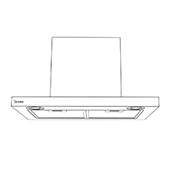
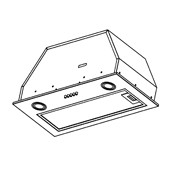
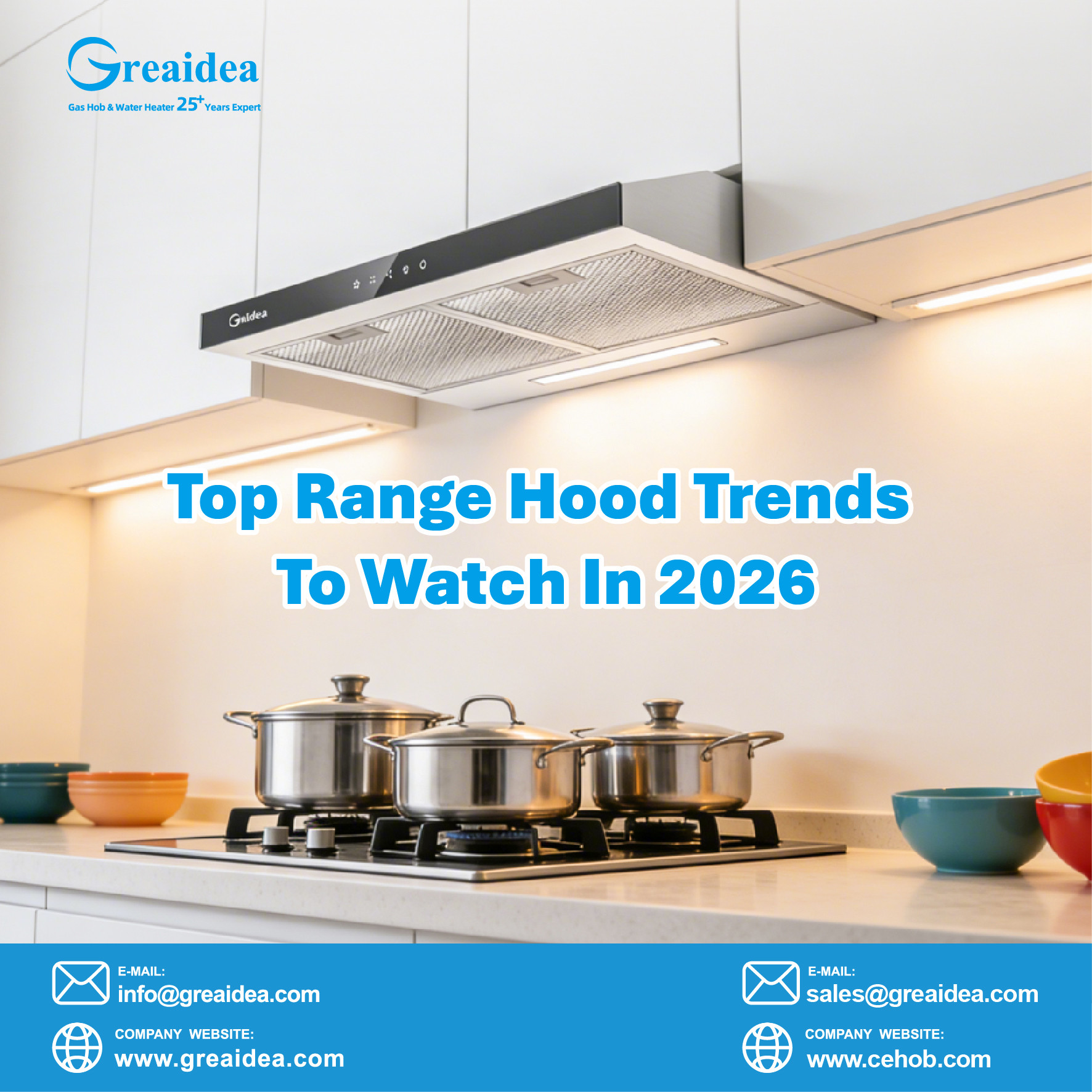
Brands preparing their 2026 product lines should think beyond appearance. Choices such as hood type (slim, built-in, pull-out), filter structure, motor capacity, control layout, and installation method all need to align with the target consumer's expectations and the retailer's merchandising strategy. When these elements are thoughtfully planned together, the result is not just a functional appliance, but a product that fits naturally into the kitchen ecosystem.
Choosing the Right Manufacturing Partner
As range hoods become more technically and commercially important, the role of the manufacturing partner becomes critical. Many brands face similar challenges: long-term suppliers who can no longer support meaningful product upgrades, limited ODM capability, or insufficient understanding of evolving market needs.
This is where working with an experienced, market-driven manufacturer makes a difference. Among top-tier kitchen appliance manufacturers, companies like Greaidea stand out for their ability to combine engineering depth with practical market understanding. A mature partner does more than produce according to drawings. They help brands translate market insights into viable product solutions, balance cost with performance, and ensure consistency across production batches. Familiarity with international standards, certifications, and export requirements further reduces risk and shortens time to market.
Why Greaidea Has Become a Top-Tier Manufacturing Partner
With over two decades of experience in gas appliances, Greaidea has supported brands across multiple regions, offering ODM and OEM solutions that are not only technically sound, but commercially successful.
Rather than pushing fixed designs, the team works closely with clients to understand their positioning, target consumers, and competitive landscape. From slim range hood and built-in range hoods to pull-out models, configurations are adjusted based on airflow requirements, filter preferences, installation conditions, and cost targets. This approach allows brands to launch products that feel tailored, not generic.
A Real-World Example of Product Line Transformation
One South American appliance brand illustrates this well. After years of working with the same supplier, their range hood line had become outdated and uncompetitive. New product development was slow, performance improvements were minimal, and the designs no longer matched updated gas hob models. As competition intensified, the brand struggled to retain dealers and attract new customers.
After switching to Greaidea, the situation changed. The team conducted a detailed review of the local market, cooking habits, and the brand's existing product structure. Greaidea helped clients equip themselves with range hoods that met their needs and the market requirements, easier-to-clean filter systems, and designs that visually aligned with the brand's gas appliances. The refreshed lineup helped the brand regain dealer confidence, reduce after-sales issues, and expand its presence in key regions.
Preparing for the Next Growth Phase in the Range Hood Market
The range hood category is not fading—it is evolving. For brands and retailers willing to invest in thoughtful design, reliable performance, and strong manufacturing partnerships, it remains a profitable and strategically important product line. Growth will come from doing things better, not simply doing more.
If you are planning your 2026 range hood lineup, upgrading existing models, or reconsidering your current supplier, now is the right time to take a closer look. Greaidea works with brands to develop tailored, market-ready range hood solutions backed by proven manufacturing experience and real-world success.
Contact Greaidea to discuss how a customized range hood solution can support your next stage of growth.