


Gas Water Heater Product Differentiation in Chile: Rethinking What Makes a Product Competitive
Chile already has a mature gas water heater market, with a wide range of brands and product configurations available through major retail and online channels. A review of current listings shows a strong presence of 5L, 7L, 10L-class models, with products differentiated by gas type, exhaust system, ignition technology, controls and price. At first glance, however, many products still follow a familiar formula: similar capacity, similar cabinet design and a similar set of basic functions.
That creates a different challenge for appliance brands. When the market already offers plenty of gas water heaters, the question is what makes a product more relevant, more noticeable and more competitive for Chilean consumers.
A Crowded Market Is Creating a Product Differentiation Challenge
The Chilean market does not lack choice. Major retail platforms currently list brands such as Rheem, Splendid, Junkers, Midea, Mademsa, Albin Trotter and others, with 10L products appearing across several price points and technical configurations. Products may use natural gas or LPG and may adopt natural-draft or forced-exhaust.
For brands, this creates a familiar problem: the basic specification is becoming easier to match. A competitor can offer the same nominal capacity, a similar exterior and a comparable feature list. Once that happens, price becomes an easy comparison point—but competing mainly through price can quickly put pressure on margins without giving the product a stronger identity.
The opportunity is to move the discussion from "What specifications do we have?" to "What does our product do better for the customer?"
The Competitive Product Goes Beyond the Specification Sheet
A gas water heater may look competitive on paper and still leave room for improvement in actual use. For a brand developing its next model, several areas can create a more meaningful difference.
Temperature Stability
Consumers do not usually ask about burner modulation or control logic. They ask a simpler question: Will the water stay at a comfortable temperature, or will it suddenly become too hot or too cold? A well-designed constant-temperature gas water heater can turn a technical improvement into something the user actually feels every day.
Low-Pressure Performance
Another practical concern is whether the heater can start and continue operating properly when water pressure is weak. A specification such as minimum starting pressure may look technical, but for the end user it means one thing: Will I still get reliable hot water when conditions are not ideal? For brands, low-pressure gas water heater performance should therefore be evaluated as part of product development and sample validation, rather than treated as a line on a datasheet.
Controls, Display and Product Design
A clearer user interface can also create visible differentiation. Digital temperature displays, intuitive controls and, where appropriate, touchscreen interfaces can make the appliance easier to understand and operate. At the same time, panel finish, color, proportions and other visual details give brands an opportunity to build a stronger product identity.
Safety and Reliability
Safety is another area where a strong product should go beyond a checklist. Reliable ignition and overheat and overcool protection can all contribute to consumer confidence when they are properly integrated into the product. For a brand, the real value comes from a safety architecture that works reliably in the finished appliance—not simply from listing more safety functions in promotional material.
Not Every Upgrade Deserves a Place in the Product
More features do not automatically create a better product. Every upgrade adds some combination of component cost, engineering work, testing and after-sales considerations. A more useful product-development framework is: Consumer need → Product improvement → Perceived value → Market differentiation
A digital display may be worthwhile if it makes temperature control clearer. A more advanced control system may make sense for a higher-positioned model. A particular appearance may be valuable if it gives a product line a recognizable identity. But an expensive feature with little practical benefit can make a product less competitive, not more.
For Chilean appliance brands, the objective should be to invest in improvements that customers can understand, use or feel—not simply to create a longer specification sheet.
The Manufacturer Has a Role Before Production Starts
Once a brand decides what it wants to improve, the next question is whether its manufacturing partner can actually support the development. A brand pursuing differentiation may need more: a partner that can discuss product requirements, evaluate component choices, develop samples, test performance and confirm that the proposed changes can be produced consistently at scale.
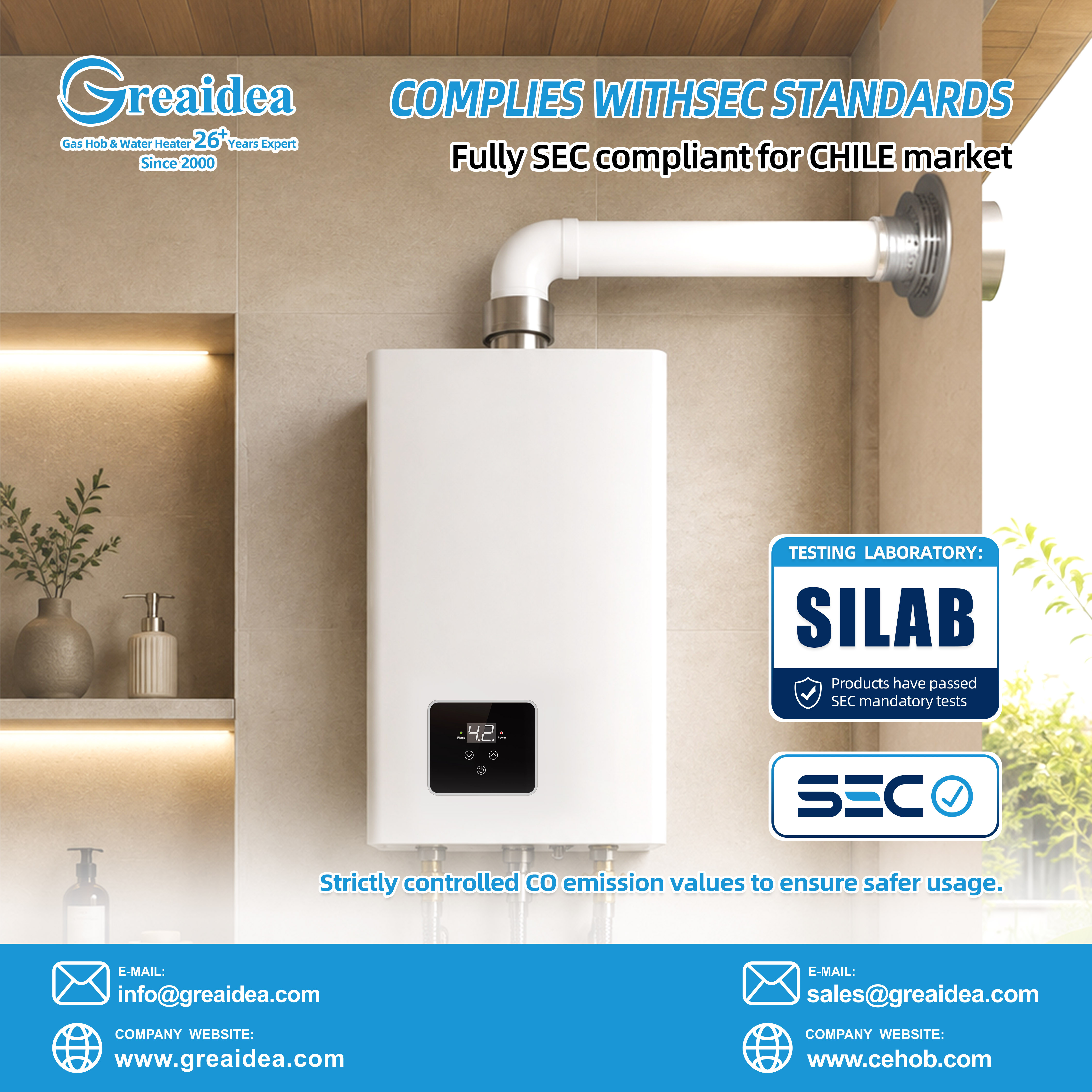
This becomes especially important when developing a gas water heater for the Chilean market, where product requirements can involve gas type, exhaust configuration, safety requirements and local certification. Chile's SEC regulates gas products and requires applicable products to meet certification requirements before being sold in the market.
Why Greaidea Is a Stronger Development Partner for Chile
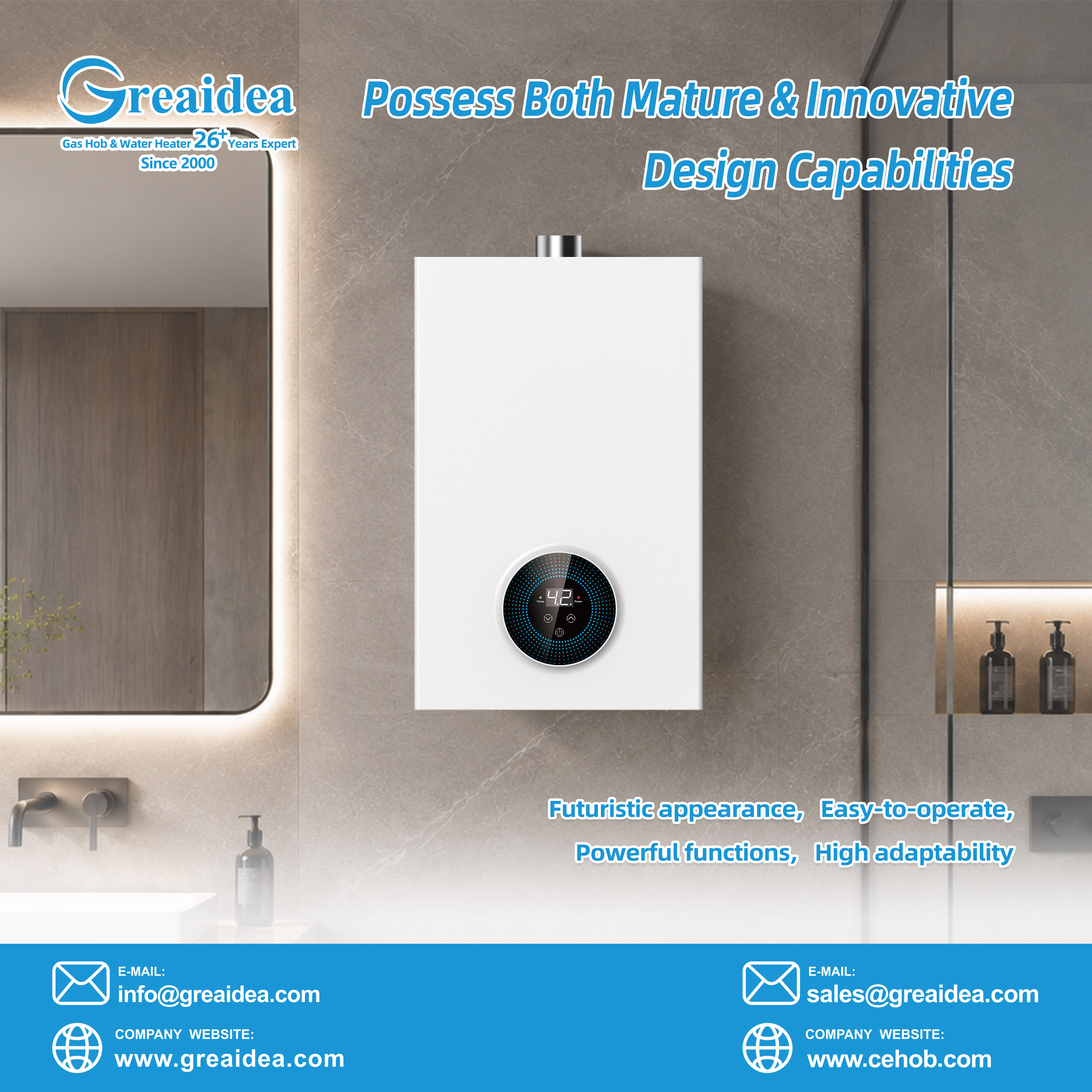
This is where an experienced manufacturer can bring practical value. Greaidea has developed gas water heater solutions for international markets and already has a product foundation for Chile, including gas water heater models that have obtained Chile SEC certification. The product development work also covers high-efficiency heating, constant-temperature solutions and performance testing under demanding conditions, including high-altitude environments.
For brands looking to move beyond a standard gas water heater, Greaidea can support product development across several areas, including temperature control, low-pressure performance, digital display solutions, product appearance, gas configuration and other market-specific requirements. OEM and ODM projects can be developed around the brand's target positioning.
Greaidea combines R&D, engineering, testing and manufacturing so that product ideas can be assessed from both the market and production sides. That matters when a brand needs to turn a product concept into a stable, scalable model rather than simply receive another factory quotation.
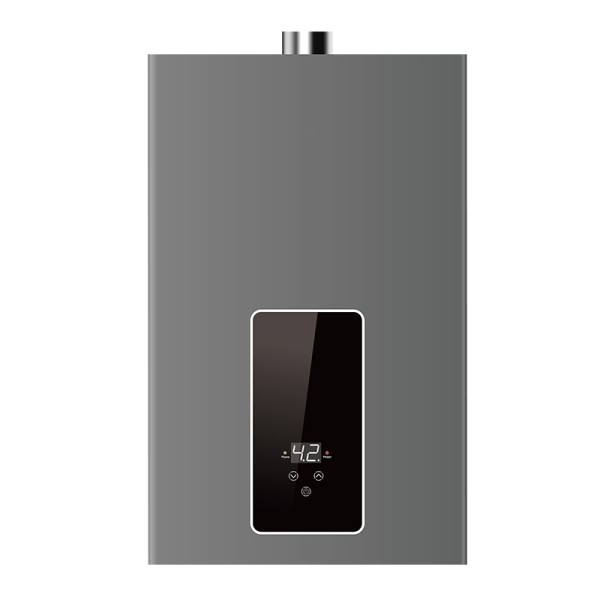
Air-cooled gas water heater with AI temp control, V-shape burner, and dual-speed fan for high efficiency.
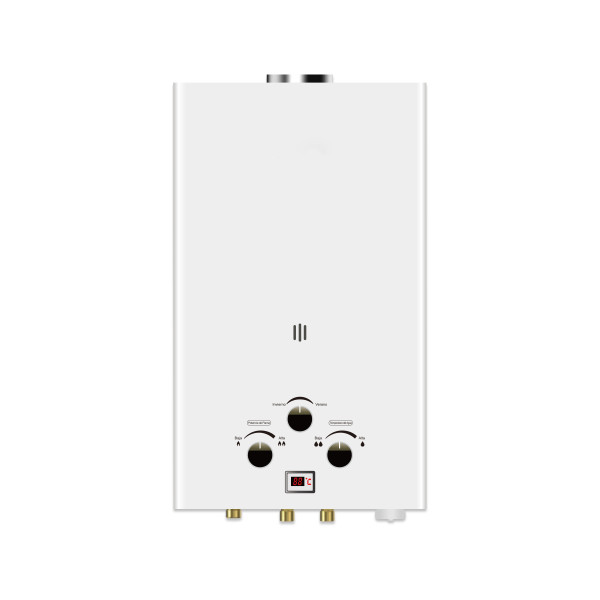
Instant gas water heater with reliable performance, OEM & ODM customization, competitive pricing, and sample support.
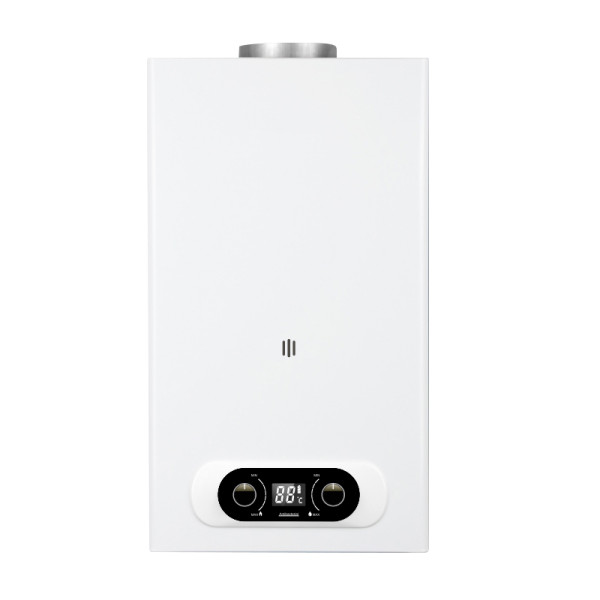
High-efficiency flue duct gas water heater, available from 6L–20L with OEM &ODM customization and factory-direct pricing.
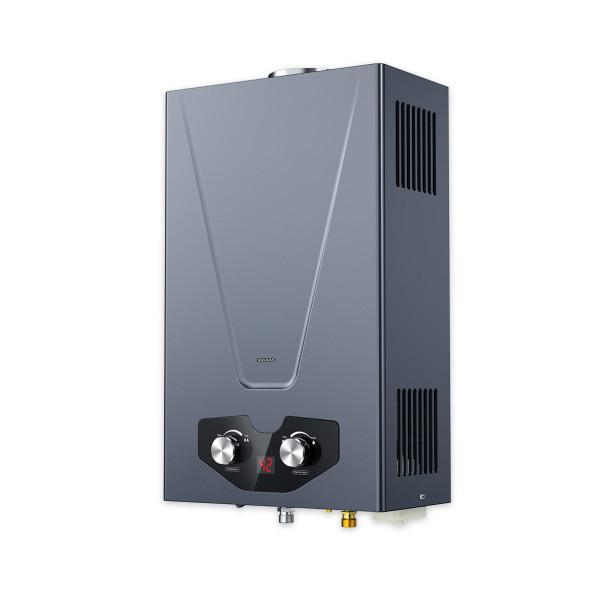
Greaidea flue gas water heaters are customizable, stable in quality, and proven bestsellers in global markets.
From a Standard Model to a Product With a Reason to Choose It
Chile has no shortage of gas water heaters. The real opportunity for brands is to create a product that gives consumers a clearer reason to choose it. That may come from better temperature stability, dependable low-pressure performance, a more useful display, stronger safety design or a visual identity that belongs to the brand. The right combination will depend on the market position and customer the product is designed for.
For brands developing or upgrading a gas water heater product line in Chile, the most important question is no longer simply "What model can we manufacture?" It is:"What should we improve to create more value in the market—and does our manufacturer have the capability to help us make it happen?"
Greaidea supports gas water heater OEM and ODM development for brands looking to answer that question with a product built around real market requirements, engineering feasibility and long-term manufacturing consistency. Looking to develop or upgrade a gas water heater for the Chilean market? Contact Greaidea to discuss your product requirements and request the latest models and solutions.